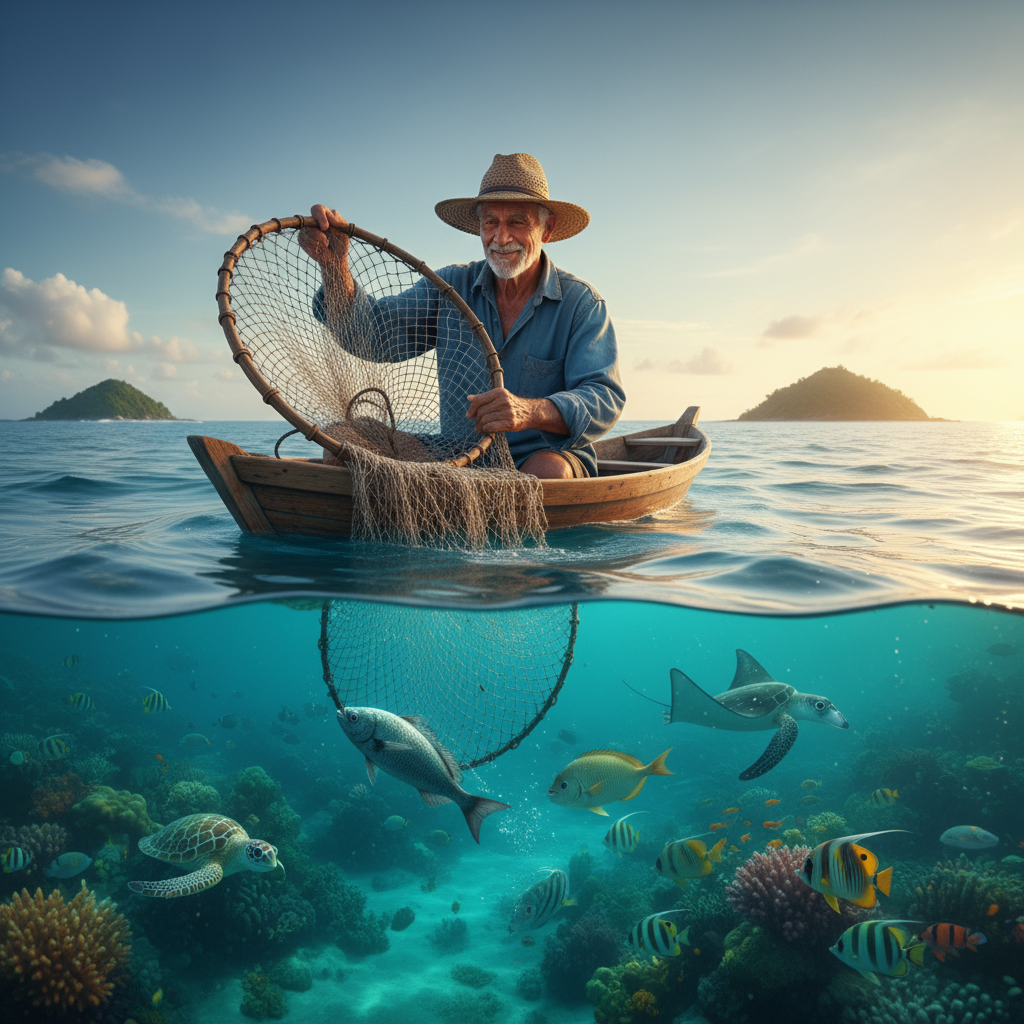
Table of Contents
Introduction
Here’s the thing about sustainable fishing—it’s not just another environmental trend that’ll fade away next year. We’re talking about something that could literally determine whether your grandkids get to enjoy a tuna sandwich. And honestly? The stakes couldn’t be higher.
Picture this: oceans teeming with life, fishing communities that actually thrive instead of just survive, and marine ecosystems that work the way nature intended. Sounds pretty good, right? But here’s the reality check—without sustainable fishing practices, we’re heading toward empty oceans and collapsed food systems. Not exactly the legacy we want to leave behind.
Our oceans are massive—they cover more than 70% of our planet and feed billions of people every single day. That makes healthy marine ecosystems absolutely critical for global food security. But here’s where things get scary: fish populations worldwide are getting hammered by overfishing, destructive fishing methods, and ecosystem damage that’s happening faster than we can fix it. Sustainable fishing practices are our best shot at turning this around. They focus on fishing methods that actually protect marine biodiversity, keep habitats intact, and maintain fish stocks at levels that make sense long-term. Want to understand how this fits into the bigger picture? Check out these principles of sustainability to see how environmental, economic, and social factors can work together instead of against each other.
Now, sustainable fishing doesn’t exist in a vacuum. (Nothing in sustainability really does.) The same principles that drive sustainable agriculture—like reducing environmental impact and keeping communities economically viable—apply here too. If you’re curious about how these ideas work on land, exploring sustainable agriculture techniques will show you how food production can be both eco-friendly and practical. The parallels are pretty fascinating.
And then there’s technology. We’re not talking about going back to fishing with wooden boats and hand-woven nets. Modern green technology innovations are revolutionizing how we fish—smarter gear, better monitoring systems, habitat restoration techniques that actually work. It’s like having GPS for sustainability, helping us make decisions based on real data instead of guesswork.
What You’ll Learn in This Guide
We’re going to walk through everything you need to know about sustainable fishing, step by step. Here’s what’s coming up:
- The Fundamentals of Sustainable Fishing: What sustainable fishing actually means, the core principles behind it, and how it’s completely different from conventional fishing methods.
- Effective Fishing Techniques: The practical stuff—selective gear, quotas, community management, and other methods that reduce environmental harm without destroying livelihoods.
- Environmental and Economic Benefits: Why sustainable fishing is a win-win for ocean health, biodiversity, and the communities that depend on fishing for their survival.
- How You Can Make a Difference: Real, actionable steps for individuals and businesses to support sustainable fishing practices and ocean conservation.
Let’s be honest—implementing sustainable fishing isn’t easy. You’ve got illegal fishing operations, climate change throwing everything off balance, and enforcement that’s spotty at best. But understanding these challenges is the first step toward solving them. Plus, sustainable fishing connects to other environmental issues in ways you might not expect. Take water pollution, for instance—it directly affects marine habitats and fish health. That’s why strategies to reduce water pollution work hand-in-hand with fishing sustainability efforts. You can’t really protect one without protecting the other.
Here’s something that might surprise you: sustainable fishing isn’t just about fish. It’s about protecting entire marine ecosystems. Take coral reefs—they support about 25% of all marine species, and fishing practices directly impact their health. When reefs die, everything connected to them suffers. That’s why learning how to protect coral reefs is so important if you care about marine conservation. It’s all connected.
As someone who cares about making informed choices (and we’re guessing you do, since you’re reading this), understanding sustainability principles can completely change how you think about seafood. Exploring the definition of sustainability and how it applies to environmental management shows why sustainable fishing isn’t some isolated effort—it’s part of a much bigger commitment to protecting our planet.
You know what’s really inspiring? Seeing sustainability in action. There are organizations and individuals out there doing incredible work, proving that positive change is possible. These environmental sustainability examples show what’s possible when people decide to take action. Some of these stories might just motivate you to get involved.
The seafood industry itself is evolving too. Supply chain management is getting a major sustainability makeover, ensuring that seafood products are sourced ethically and with genuine environmental care. Dive into sustainability in supply chain management to see how the industry is adapting to meet conservation standards that actually matter.
Water contamination is another piece of this puzzle that we can’t ignore. Polluted water means unhealthy marine habitats, which undermines everything we’re trying to achieve with sustainable fishing. Learning about reducing water contamination gives you practical ways to create safer, healthier environments for marine life.
By the time you finish this guide, you’ll have more than just facts and figures. You’ll understand why sustainable fishing matters, how it fits into the global sustainability movement, and most importantly—how you can be part of the solution.
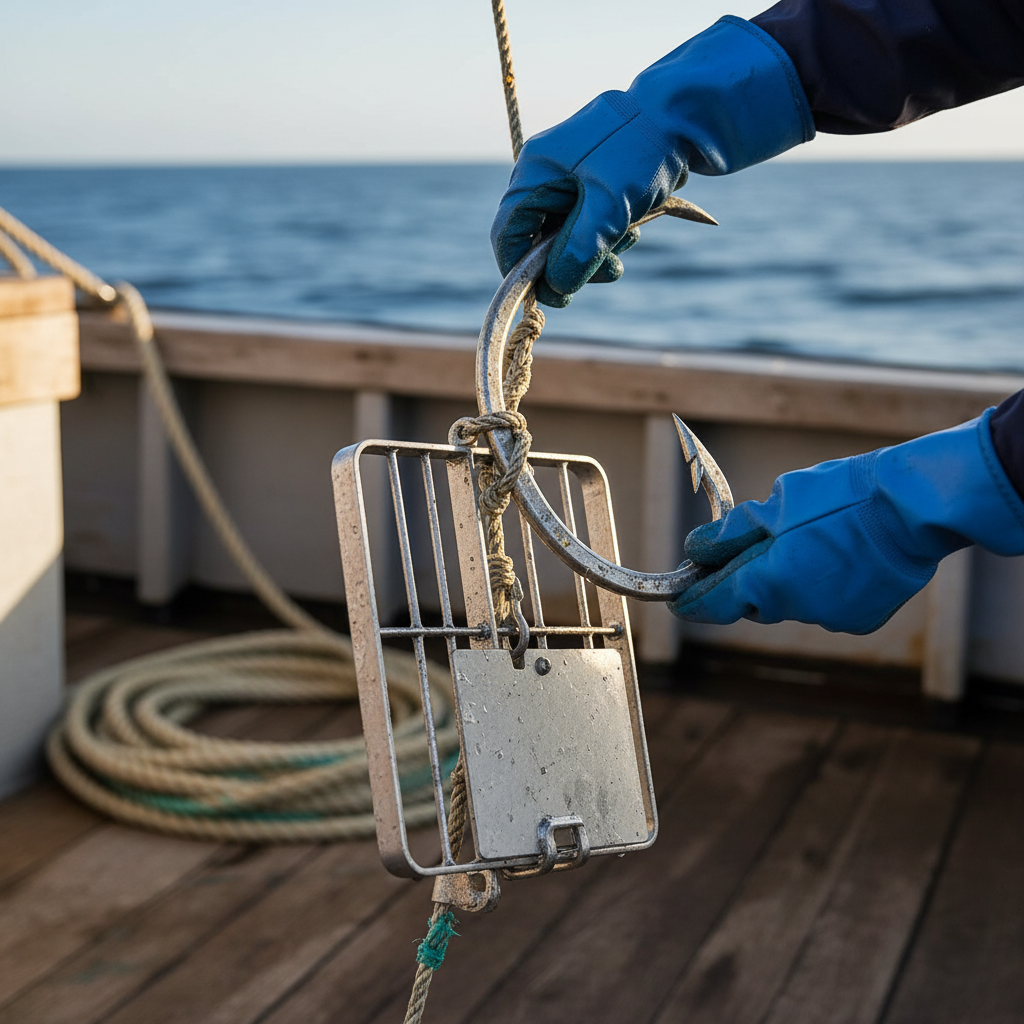
Now that we’ve covered the basics of sustainable fishing, let’s dig deeper into what makes fishing practices truly sustainable. We’re talking about methods that keep marine ecosystems healthy while ensuring there are plenty of fish for generations to come—pretty important stuff when you consider how much the world depends on seafood for food security. Sustainable fishing isn’t just about catching fish responsibly. It’s about finding that sweet spot between using what the ocean offers and making sure we don’t take too much. Think of it as maintaining a careful balance that protects marine life, supports the communities that depend on fishing, and keeps our oceans thriving.
What Defines Sustainable Fishing and Its Core Principles
Here’s the thing about sustainable fishing—it’s all about harvesting seafood at levels the ocean can handle indefinitely. The ecosystem needs to keep replenishing itself, and that’s where sustainable practices come in. This approach is completely different from conventional fishing, which often focuses on short-term gains and can lead to overfishing and serious environmental damage. So what makes fishing truly sustainable? There are several key principles that guide the way. First up: keeping fish populations healthy. This means species can thrive naturally without facing collapse—but it requires careful monitoring and sticking to catch limits that scientists have determined are safe. Second, we need to minimize environmental impact by reducing bycatch (those fish you didn’t mean to catch) and avoiding habitat destruction. This involves using selective fishing gear and choosing responsible fishing zones. Finally, there’s the human element—ensuring fishing communities can maintain their livelihoods and cultural traditions through fair management and economic stability. When you understand these principles, you’re looking at the foundation for fishing practices that actually work for everyone. The principles of sustainability dive deeper into how we balance ecological health with human needs, which is exactly what sustainable fishing is all about.
But wait—there’s more to it than just following these basic principles. Sustainable fishing also embraces adaptive management, which means being flexible enough to respond when marine conditions change or when new scientific discoveries emerge. Community involvement makes a huge difference too. When local people help manage fisheries, you get better compliance and stronger stewardship. People care more when they’re part of the solution. Plus, education and awareness create consumer demand for responsibly sourced seafood, which gives fisheries real economic incentives to stay sustainable. All these elements work together to maintain what scientists call ecosystem services—things like water quality and marine biodiversity that are absolutely crucial for our planet’s health. And here’s something interesting: sustainable fishing practices actually connect with broader environmental efforts. Sustainability in agriculture offers similar techniques and philosophies that can inspire more holistic approaches to managing our oceans. It’s all about learning from each other across different sectors.
Key Aspects of Sustainable Fishing
There are four essential aspects to consider for sustainable fishing practices:
- Maintaining Fish Population Health: This means setting smart catch quotas, respecting when fish need to breed, and avoiding overharvesting. When you manage populations sustainably, you’re protecting species diversity and preventing depletion—basically keeping the ocean’s natural balance intact.
- Minimizing Environmental Disturbance: Using selective gear like circle hooks and turtle excluder devices helps cut down on bycatch and protects marine habitats. When you reduce your environmental footprint, you’re protecting the delicate ecosystems that marine life depends on.
- Supporting Fishing Communities: Sustainable fishing isn’t just about fish—it’s about people too. Fair trade practices, local empowerment, and ensuring long-term resource availability all help coastal communities thrive. When communities help manage their own fisheries, it strengthens both social bonds and environmental stewardship.
- Adaptive Regulatory Frameworks: This involves seasonal fishing restrictions and policies that change based on scientific data. The goal is keeping fishing within sustainable limits while adapting to environmental changes. Good enforcement and monitoring make sure these rules actually work.
These aspects don’t work in isolation—they support each other, creating an approach that benefits both the environment and the communities connected to fishing. When you emphasize these factors, you’re promoting responsible use of marine resources while still meeting human needs. That’s the bigger picture: ocean conservation that actually works.
Now that you understand the core principles and key aspects, let’s look at the practical methods people use to minimize harm and protect marine life.
Common Sustainable Fishing Methods and Their Benefits
So how do you actually put these principles into practice? Various sustainable fishing methods have been developed to make it happen, focusing on reducing fishing’s negative impacts while keeping fish populations viable. Take selective fishing gear, for example. This equipment targets specific species and sizes to avoid catching fish you don’t want—especially juveniles that haven’t had a chance to reproduce yet. Circle hooks are a great example because they reduce unwanted catches and prevent injuries to sea turtles. Specialized nets and excluder devices protect vulnerable species too. These aren’t just nice ideas—they’re practical solutions that show how innovation can support conservation without hurting productivity. And speaking of reducing environmental impacts, how to reduce water pollution connects with this goal by contributing to healthier oceans overall.
Then you have regulatory tools like seasonal fishing restrictions and quotas. These play a huge role in sustainable fisheries management. By limiting fishing during breeding or migration periods, these measures protect vulnerable stages of marine species’ life cycles, which helps them replenish naturally. Quotas make sure overall harvests don’t exceed what scientists say is safe, preventing overexploitation. But here’s what’s really interesting: community-based fishery management brings local stakeholders into decision-making and enforcement. This approach blends traditional knowledge (which is often incredibly valuable) with scientific data. The result? Better cooperation, higher compliance, and stronger social and economic resilience in fishing communities.
Key Aspects of Sustainable Fishing Methods
These practical methods form the backbone of sustainable fishing efforts:
- Selective Fishing Gear: Equipment like circle hooks and turtle excluder devices reduces bycatch, which minimizes harm to non-target species and promotes biodiversity preservation in fishing areas.
- Seasonal Restrictions and Quotas: Time-bound closures and catch limits aligned with fish population dynamics ensure harvesting stays sustainable and effective over time.
- Community-Based Management: When you empower local fishers and residents to co-manage resources, you foster stewardship, enhance compliance, and support livelihoods through collaborative decision-making.
- Monitoring and Enforcement: Scientific monitoring, data collection, and regulatory enforcement ensure people stick to sustainable practices while allowing adaptive management to respond to ecosystem changes.
When you adopt these sustainable methods, you get significant benefits for both ecosystems and economics while ensuring oceans continue providing essential resources. This connection between conservation practices and community welfare shows us the path forward in responsible fishing.
Next, let’s explore how sustainable fishing benefits not just our natural environment, but also supports economic stability and social well-being. The value goes way beyond what you might expect.
Benefits of Sustainable Fishing: Ecosystem and Economic Perspectives
Sustainable fishing delivers profound benefits by keeping marine ecosystems healthy and supporting the economy of coastal and fishing communities. When you preserve marine species and habitats, you’re protecting biodiversity—which is absolutely fundamental to ocean resilience and productivity. Healthy ecosystems provide essential services like nutrient cycling, water purification, and carbon sequestration. These services contribute significantly to climate regulation and environmental stability. Studies consistently show that sustainable fisheries help maintain these ecosystem functions, promoting the balanced natural environment our planet needs.
But the benefits extend far beyond ecology. Sustainable fishing supports the livelihoods of millions of people worldwide. When you ensure fish stocks remain abundant and can regenerate, sustainable methods guarantee ongoing employment and income for fishers, processors, and related industries. This stability directly benefits food security, especially in regions where seafood serves as a primary protein source. The economic resilience that comes from sustainable fishing helps communities adapt to changing environmental and market conditions, which supports social welfare and cultural preservation. Business sustainability strategies emphasize this same importance of balancing economic growth with environmental stewardship—it’s the same integrated approach that makes sustainable fishing work.
Ecosystem and Economic Benefits of Sustainable Fishing
Key benefits arising from sustainable fishing include:
- Preservation of Marine Biodiversity and Habitats: Sustainable fishing practices protect diverse species and habitats, ensuring natural balance and healthy ocean ecosystems against exploitation and degradation.
- Support for Coastal Communities’ Livelihoods: By maintaining viable fish stocks, sustainable fishing secures economic opportunities for local fishers and related businesses, promoting social stability and cultural continuity.
- Long-Term Availability of Fish Stocks: Responsible harvesting enables continuous availability of seafood resources for future generations, supporting global food security and economic prosperity.
- Environmental Services and Climate Benefits: Healthy oceans act as crucial carbon sinks and contribute to climate regulation, making sustainable fishing a component of broader climate change mitigation efforts.
When policymakers, businesses, and consumers recognize and invest in these benefits, they drive positive change in marine resource management. The connection between environmental health and economic well-being highlights just how critical sustainable fishing is for creating a balanced and thriving future. It’s not just about fish—it’s about the kind of world we want to leave behind.

Here’s the bottom line: sustainable fishing isn’t just a nice idea—it’s absolutely critical for keeping our oceans healthy and thriving. Think about it this way: our oceans are like a massive, interconnected web supporting everything from tiny plankton to massive whales, plus millions of people whose livelihoods depend on fishing. When we fish responsibly, maintaining fish populations at healthy levels, we’re basically ensuring there will still be fish in the sea tomorrow (and not just as a figure of speech). This means using harvesting methods that don’t strip the ocean bare, setting smart quotas, and adapting to what the ocean tells us about its changing conditions. It’s a complete game-changer compared to the old-school approach of taking as much as possible, as quickly as possible.
The techniques sustainable fishermen use are pretty ingenious. Circle hooks that reduce accidental catches, turtle excluder devices (because nobody wants to harm sea turtles), seasonal fishing breaks, and community-based management where local fishing communities have a real say in how their waters are managed. These aren’t just feel-good measures—they actually work. They cut down on bycatch (the fish you didn’t mean to catch), protect critical habitats, and help marine ecosystems stay resilient against threats like illegal fishing and climate change. Plus, and this is important, sustainable fishing keeps coastal communities economically stable. We’re talking about preserving not just fish stocks, but entire ways of life and cultural traditions that have existed for generations.
Now, let’s be real—sustainable fishing isn’t without its challenges. Enforcement can be tricky when you’re dealing with vast ocean territories, and environmental threats like warming waters and ocean acidification keep throwing curveballs. But recognizing these obstacles is the first step toward building the kind of global cooperation and smart policies we need to make sustainable fishing the norm, not the exception.
Want to dive deeper into this topic? (See what I did there?) Check out our comprehensive guide on principles of sustainability—it’ll give you the bigger picture of how environmental, social, and economic factors all work together. If you’re curious about how sustainable practices apply beyond the ocean, our piece on sustainable agriculture techniques shows how many of these same strategies work on land. For a look at the cutting-edge tech that’s revolutionizing how we approach sustainability, don’t miss our article on green technology innovations. And if you want to see real-world examples of environmental stewardship in action, our collection of environmental sustainability examples will show you what’s possible when people commit to making a difference.
Here’s where you come in—and trust me, your choices matter more than you might think. Every time you choose responsibly sourced seafood, push for stronger fishery regulations, or support your local sustainable fisheries, you’re casting a vote for healthier oceans. These aren’t small gestures—they’re powerful actions that ripple outward, protecting marine biodiversity and supporting fishing communities around the world. When we work together, armed with knowledge and genuine commitment, we can keep our oceans vibrant and productive for generations to come. The future of our blue planet really is in our hands.
Frequently Asked Questions
-
What makes fishing sustainable?
- Sustainable fishing involves practices that maintain fish populations at healthy levels, minimize environmental harm, and support the long-term viability of fishing communities.
-
How can consumers identify sustainable seafood?
- Consumers should look for certifications such as the Marine Stewardship Council (MSC) or Aquaculture Stewardship Council (ASC) labels that guarantee responsible sourcing.
-
Why is sustainable fishing important for the environment?
- It helps prevent overfishing, protects marine biodiversity, and supports the health and resilience of ocean ecosystems.
-
Can sustainable fishing help combat climate change?
- Yes, sustainable fishing protects ocean ecosystems that act as vital carbon sinks, aiding in climate regulation and mitigation efforts.
-
What challenges do sustainable fishing efforts face?
- Illegal fishing, climate change impacts, and lack of effective enforcement are primary challenges that require coordinated responses to overcome.