Best Gas Mileage Trucks 2023 Rankings: The Most Fuel-Efficient Pickup Options
When it comes to choosing a truck that balances power and performance with fuel efficiency, 2023 offers compelling options for environmentally conscious drivers. The truck market has evolved significantly, with manufacturers prioritizing fuel economy alongside traditional capabilities. Whether you’re hauling cargo, towing trailers, or navigating daily commutes, finding a pickup with the best gas mileage can substantially reduce your carbon footprint while saving money at the pump.
The pursuit of sustainable energy solutions extends to our vehicle choices, and trucks with superior fuel efficiency represent a practical step toward environmental responsibility. Modern truck engineering has introduced hybrid powertrains, lightweight materials, and aerodynamic designs that challenge the outdated perception of trucks as fuel-guzzling machines. This comprehensive guide examines the 2023 truck models delivering the best gas mileage, helping you make an informed decision that aligns with both your practical needs and environmental values.
Top Fuel-Efficient Trucks 2023
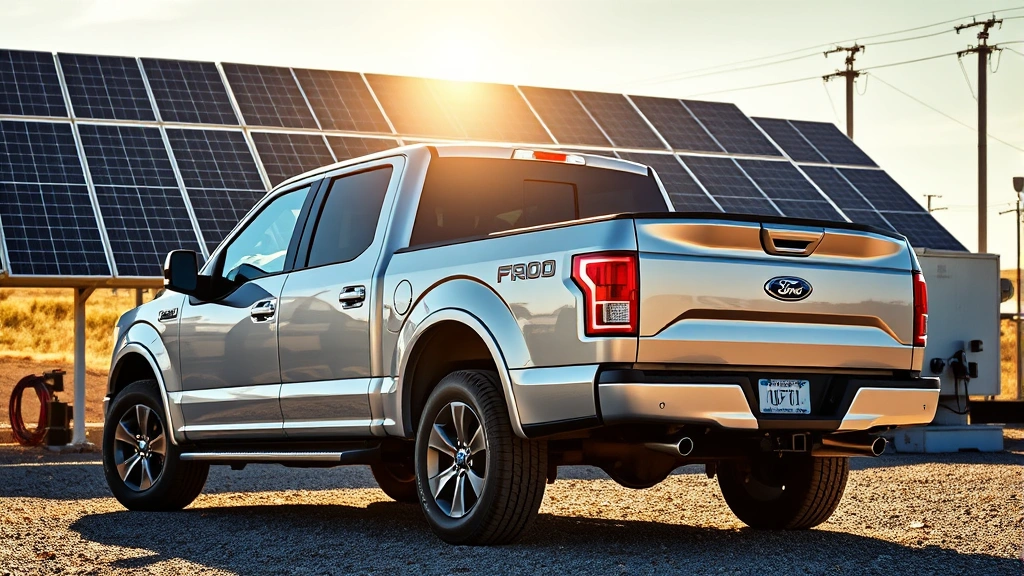
The 2023 model year presents several standout trucks that achieve exceptional fuel economy ratings. The Ford F-150 PowerBoost Hybrid leads the pack, delivering an EPA-estimated 25 mpg combined for SuperCrew models with four-wheel drive. This innovative powertrain combines a 3.5L EcoBoost engine with electric motor assistance, providing both efficiency and impressive towing capacity up to 12,700 pounds.
The Chevrolet Silverado RST with EcoTec3 achieves approximately 23 mpg combined in two-wheel drive configurations, making it a strong contender for those prioritizing fuel economy without sacrificing truck functionality. GMC’s Sierra 1500 Denali with advanced fuel management similarly delivers competitive efficiency ratings while maintaining premium features and comfort.
Toyota’s Tundra with hybrid technology represents another excellent option, achieving around 22 mpg combined while offering legendary Toyota reliability. The Ram 1500 EcoDiesel provides diesel efficiency advantages, delivering approximately 23-24 mpg on the highway for drivers who prefer diesel’s torque characteristics and fuel density benefits.
Understanding advantages of electric vehicles and hybrid systems helps contextualize why these trucks perform better than conventional gasoline-only models. The integration of electric motors provides supplementary power during acceleration and climbing, allowing the primary engine to operate more efficiently during cruising.
Hybrid Truck Technologies
Hybrid truck systems represent the most significant advancement in pickup fuel efficiency. These vehicles employ dual powertrains—combining traditional internal combustion engines with electric motors and rechargeable batteries. During low-speed driving, city commuting, and idling, electric motors handle propulsion, eliminating fuel consumption. When acceleration or highway cruising demands greater power, the gasoline engine engages seamlessly.
The Ford F-150 PowerBoost Hybrid exemplifies modern hybrid sophistication. Its 12-volt and 400-volt hybrid systems work in concert with the EcoBoost engine to optimize fuel consumption across all driving scenarios. The regenerative braking system captures kinetic energy during deceleration, converting it into electrical energy stored in the battery pack.
Chevrolet’s hybrid systems employ similar principles, utilizing their eLiquid-cooled battery technology to maximize efficiency and longevity. These batteries maintain optimal operating temperatures regardless of external conditions, ensuring consistent performance in diverse climates.
Benefits of hybrid truck technology extend beyond fuel economy. Reduced engine stress translates to longer component lifespan, lower maintenance costs, and decreased emissions. When considering your environmental impact, hybrid trucks significantly reduce greenhouse gas emissions compared to conventional gasoline trucks, contributing to the broader mission of reducing your environmental footprint.
The electric motor’s instant torque delivery provides surprising acceleration from standstill, often matching or exceeding conventional truck performance. This dispels the misconception that efficiency requires sacrificing driving dynamics.
Diesel vs. Gasoline Efficiency
Diesel engines have long held advantages in fuel economy, and 2023 trucks continue this tradition. Diesel fuel contains approximately 10-15% more energy density than gasoline, meaning diesel engines extract more usable energy from each gallon. The Ram 1500 EcoDiesel and Ford F-250 Super Duty PowerStroke exemplify diesel efficiency, achieving highway fuel economy figures that gasoline engines struggle to match.
However, diesel efficiency comes with considerations. Diesel engines typically command higher purchase prices, ranging from $3,000-$8,000 premiums over gasoline equivalents. Diesel fuel prices fluctuate based on global commodity markets, sometimes exceeding gasoline costs. The break-even point depends on annual mileage, fuel price differentials, and ownership duration.
Gasoline hybrid trucks increasingly narrow the efficiency gap while offering lower purchase prices and simpler maintenance. The Ford F-150 PowerBoost Hybrid achieves nearly identical highway efficiency to some diesel trucks while costing significantly less upfront. For drivers covering 15,000-20,000 annual miles, gasoline hybrids often provide superior total cost of ownership.
Environmental considerations favor both diesel and hybrid options over conventional gasoline trucks. Diesel engines produce fewer carbon dioxide emissions per unit of fuel consumed due to superior efficiency. Hybrid trucks reduce overall fuel consumption, thereby lowering emissions. Understanding these distinctions helps align your truck choice with personal environmental goals and financial circumstances.
For those exploring comprehensive sustainability approaches, reviewing principles of sustainability provides broader context for vehicle selection within sustainable living frameworks.
Real-World Fuel Economy Testing
EPA fuel economy ratings provide standardized benchmarks, but real-world performance varies based on driving conditions, habits, and maintenance. Independent testing organizations conduct comprehensive evaluations to provide consumers accurate expectations. The Environmental Protection Agency recently reported that 2023 truck efficiency ratings reflect improved testing methodologies that better simulate actual driving patterns.
Testing reveals that hybrid trucks demonstrate the most dramatic differences between highway and city driving. The Ford F-150 PowerBoost achieves approximately 24 mpg in city driving—remarkable for a full-size truck—while highway efficiency reaches 26 mpg. Conventional gasoline F-150s typically deliver 17-19 mpg combined, illustrating the hybrid advantage.
Diesel trucks show less variation between city and highway driving, maintaining relatively consistent efficiency across diverse conditions. This characteristic makes diesels particularly attractive for drivers with mixed commuting and long-distance travel requirements.
Real-world testing conducted by automotive journalists consistently confirms EPA ratings for hybrid trucks, suggesting manufacturers have achieved genuine efficiency improvements rather than laboratory optimizations. Consumer reports validate that owners experience fuel economy within 5-10% of EPA estimates under typical driving conditions.
Factors influencing real-world performance include vehicle load, terrain, weather conditions, and driving style. Aggressive acceleration, rapid deceleration, and high-speed highway driving reduce efficiency across all truck types. Conversely, smooth acceleration, moderate speeds, and consistent cruising optimize fuel consumption.

Factors Affecting Truck Mileage
Multiple variables influence truck fuel economy beyond engine type and size. Understanding these factors enables optimization of your vehicle’s efficiency potential. Tire pressure significantly impacts fuel consumption—underinflated tires increase rolling resistance, forcing engines to work harder. Maintaining manufacturer-recommended tire pressure improves efficiency by 3-5%.
Vehicle weight directly correlates with fuel consumption. Removing unnecessary cargo and accessories reduces weight, improving mileage. Each 100 pounds of additional weight decreases fuel economy approximately 1-2%. Truck bed covers and tonneau covers reduce aerodynamic drag, improving highway efficiency by 2-4%.
Aerodynamics become increasingly important at highway speeds. Modern trucks feature improved grille designs, underbody panels, and rounded edges that reduce wind resistance. Aftermarket accessories like roof racks and large mirrors increase drag, reducing efficiency.
Engine maintenance directly affects performance. Clean air filters, properly functioning fuel injectors, and fresh engine oil optimize combustion efficiency. Worn spark plugs and clogged filters force engines to work harder, reducing mileage. Regular maintenance preserves the efficiency gains engineered into modern trucks.
Transmission type influences efficiency significantly. Modern eight, nine, and ten-speed automatic transmissions optimize engine RPMs for each driving condition. Older four and five-speed transmissions cannot match this efficiency. The Ford F-150 PowerBoost employs a sophisticated ten-speed transmission that keeps the engine operating in peak efficiency zones.
Driving habits dramatically affect real-world fuel economy. Aggressive acceleration wastes fuel while smooth, gradual acceleration optimizes efficiency. Maintaining steady speeds, anticipating stops to avoid hard braking, and minimizing idling improve mileage. Hypermiling techniques—extreme efficiency-focused driving—can improve mileage by 15-20% but may compromise safety and driver comfort.
Understanding these factors empowers truck owners to maximize efficiency through both vehicle selection and driving practices. This holistic approach to efficiency aligns with broader green technology innovations transforming our future, where conscious consumption and operational efficiency drive environmental progress.
Eco-Friendly Driving Practices
Optimizing truck fuel economy extends beyond vehicle selection to incorporate sustainable driving techniques. Smooth acceleration represents the most impactful practice—gentle throttle application allows engines to operate efficiently while maintaining steady power delivery. Conversely, aggressive acceleration dramatically increases fuel consumption, sometimes reducing mileage by 20-30% during spirited driving.
Maintaining consistent speeds optimizes engine efficiency. Frequent speed variations require constant transmission adjustments and engine load fluctuations, reducing mileage. Highway driving at steady 55-60 mph improves efficiency compared to variable speeds or aggressive highway cruising at 75+ mph.
Reducing idling conserves fuel effectively. Modern truck engines consume approximately 0.25 gallons per hour while idling—completely unproductive fuel consumption. Shutting off the engine during extended stops saves fuel while reducing emissions. Many 2023 trucks feature automatic engine shut-off technology that disengages the engine during idle periods, automatically restarting when acceleration is requested.
Planning efficient routes minimizes unnecessary driving. Combining multiple errands into single trips, utilizing GPS navigation to avoid traffic congestion, and planning routes that minimize elevation changes all contribute to improved efficiency. Urban driving typically reduces mileage 20-30% compared to highway driving due to frequent acceleration and braking.
Reducing payload weight when possible improves efficiency. Removing tools, equipment, and cargo from truck beds decreases vehicle weight, improving acceleration efficiency and reducing overall fuel consumption. For trucks used primarily for personal transportation rather than commercial hauling, this practice yields meaningful improvements.
Regular maintenance preserves efficiency gains engineered into modern trucks. Scheduled oil changes, air filter replacements, fuel system cleaning, and tire rotations maintain optimal engine performance. Neglected maintenance causes efficiency degradation over time, potentially reducing mileage by 10-15% compared to well-maintained vehicles.
Proper tire selection impacts efficiency. Low-rolling-resistance tires reduce fuel consumption compared to standard tires. While slightly more expensive initially, these specialized tires pay dividends through improved mileage over their lifespan.
Future of Truck Fuel Efficiency
The truck industry trajectory points toward increasingly efficient powertrains and alternative fuel technologies. Electric trucks represent the ultimate efficiency frontier, eliminating tailpipe emissions entirely while reducing fuel costs dramatically. The Ford F-150 Lightning and Chevrolet Silverado EV demonstrate that electric powertrains can deliver truck performance and capability without compromising practicality.
Electric trucks achieve efficiency equivalent to 100+ mpg when measured in miles-per-gallon-equivalent (MPGe), consuming approximately one-fourth the energy of conventional trucks per mile traveled. As electrical grid infrastructure becomes increasingly powered by renewable energy, electric trucks’ environmental benefits expand substantially.
Advanced hybrid systems will likely become standard truck technology within the next decade. Manufacturers continue refining hybrid efficiency, with future models projected to achieve 30+ mpg combined ratings. Plug-in hybrid trucks, combining electric-only driving capability for daily commutes with gasoline backup for long-distance hauling, represent a promising middle ground for practical truck owners.
Lightweight materials including carbon fiber, aluminum, and advanced composites will reduce truck curb weights by 15-20%, translating to proportional efficiency improvements. Manufacturers increasingly prioritize weight reduction alongside powertrain optimization.
Advanced aerodynamics incorporating computational fluid dynamics optimization will further reduce drag. Active aerodynamic systems that adjust during highway driving promise additional efficiency gains without sacrificing truck aesthetics.
Synthetic and renewable fuels offer pathways for conventional engines to achieve lower-carbon operation. Biodiesel blends and advanced synthetic fuels reduce emissions while maintaining compatibility with existing engine technology, providing transition options as the industry evolves.
Government regulations continue tightening fuel economy standards, incentivizing manufacturers to innovate aggressively. The EPA’s greenhouse gas emission standards mandate increasing efficiency improvements, ensuring that future truck generations will significantly outperform current models.
Consumer preference increasingly favors efficient vehicles, with hybrid and electric trucks commanding strong market demand. This trend encourages manufacturers to allocate substantial resources toward efficiency technologies, accelerating innovation timelines.
For those interested in comprehensive sustainability strategies, exploring our sustainability blog provides additional perspectives on aligning transportation choices with broader environmental goals.
FAQ
What is the most fuel-efficient truck available in 2023?
The Ford F-150 PowerBoost Hybrid delivers the best fuel economy among 2023 trucks, achieving approximately 25 mpg combined for SuperCrew four-wheel-drive models. This hybrid powertrain combines efficiency with impressive 12,700-pound towing capacity, making it the optimal choice for those prioritizing fuel economy without sacrificing truck capability.
How much can I save annually with a fuel-efficient truck?
Savings depend on annual mileage, fuel prices, and efficiency differences. A driver covering 15,000 annual miles switching from a conventional 18-mpg truck to a 25-mpg hybrid saves approximately 1,500 gallons annually, equating to roughly $4,500-$6,000 in fuel costs at current prices. Over a truck’s 10-year lifespan, cumulative savings approach $45,000-$60,000, offsetting hybrid premium pricing substantially.
Are diesel trucks more fuel-efficient than hybrid trucks?
Diesel trucks typically achieve superior highway fuel economy, with some models reaching 26-28 mpg. However, hybrid trucks often surpass diesels in combined efficiency due to superior city driving performance. The choice depends on your driving pattern—highway-focused drivers benefit from diesel efficiency, while mixed-use drivers find hybrids more economical overall.
Do fuel-efficient trucks sacrifice towing capacity?
Modern efficient trucks maintain impressive towing capabilities. The Ford F-150 PowerBoost Hybrid tows 12,700 pounds while achieving class-leading fuel economy. Efficient powertrains don’t require compromising truck functionality—they simply optimize energy conversion, allowing maximum capability with minimum fuel consumption.
What maintenance do hybrid trucks require?
Hybrid trucks require standard maintenance similar to conventional trucks, including oil changes, filter replacements, and tire rotations. Battery systems typically require no maintenance and carry 8-10 year warranties. Hybrid drivetrains are engineered for durability, with many manufacturers reporting minimal issues during ownership.
Can I improve my truck’s fuel economy after purchase?
Yes, several modifications improve efficiency: installing low-rolling-resistance tires (2-3% improvement), adding tonneau covers (2-4% improvement), reducing vehicle weight, maintaining proper tire pressure, and practicing smooth acceleration habits. These modifications typically improve fuel economy 5-15% cumulatively.
How do 2023 truck fuel economy ratings compare to previous years?
2023 trucks achieve approximately 15-20% better fuel economy than comparable 2015 models, reflecting significant engineering improvements. Hybrid trucks show the most dramatic improvements, with new hybrids achieving efficiency rivaling 2015 diesel trucks while offering better city performance and lower operating costs.


