
Gas Types for Sustainable Living: Expert’s Insight
Understanding different types of gas is crucial for making environmentally responsible decisions in our daily lives. From the fuel we put in our vehicles to the energy sources powering our homes, the choices we make about gaseous fuels directly impact our carbon footprint and long-term sustainability goals. This comprehensive guide explores various gas types, their environmental implications, and how you can transition toward cleaner alternatives that support a more sustainable future.
The energy sector accounts for approximately 73% of global greenhouse gas emissions, with fossil fuel combustion being the primary culprit. By becoming informed about sustainable energy solutions and alternative gas options, you empower yourself to make choices that reduce environmental harm while maintaining comfort and convenience. Whether you’re interested in natural gas, biogas, propane, or emerging hydrogen technologies, this guide provides expert insights to help you navigate the complex world of gaseous fuels.
Natural Gas and Its Environmental Impact
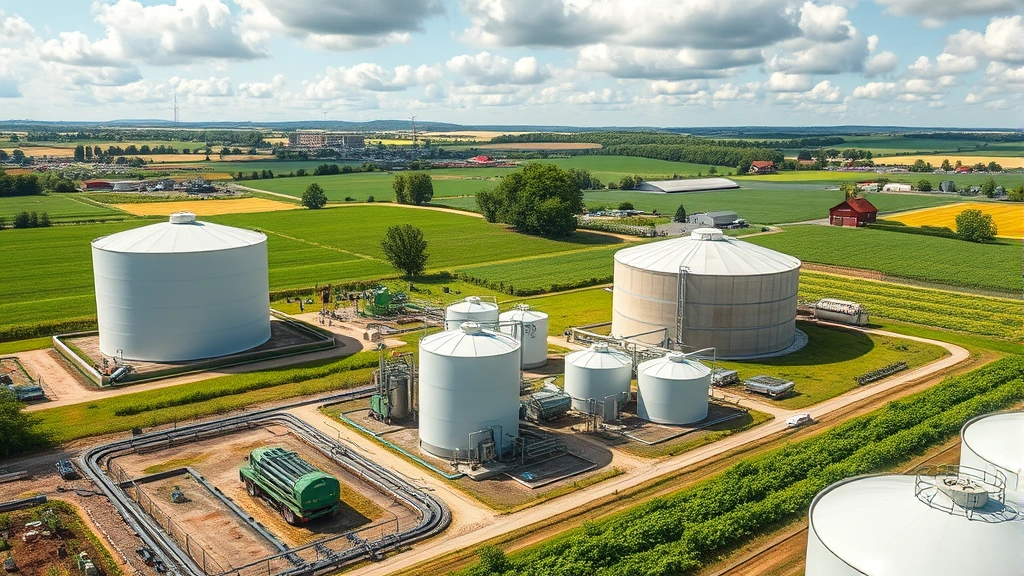
Natural gas has long been promoted as a “bridge fuel” between coal and renewable energy sources. Composed primarily of methane (CH₄), natural gas burns cleaner than coal or oil, producing approximately 50% fewer carbon dioxide emissions. However, the environmental story of natural gas is more complicated than simple combustion emissions suggest.
Methane leakage throughout the supply chain—from extraction and processing to transportation and distribution—significantly impacts its overall environmental profile. According to the Environmental Protection Agency, methane is approximately 80-86 times more potent than CO₂ over a 20-year period, making even small leaks problematic. The upstream emissions from natural gas extraction, particularly from hydraulic fracturing (fracking) operations, can offset some of the combustion benefits.
Despite these concerns, natural gas currently serves essential functions in many households and industries. It powers heating systems, water heaters, and cooking appliances in millions of homes. For those unable to immediately transition to renewable energy, natural gas represents a lower-emission option compared to heating oil or coal. However, sustainable energy solutions like heat pumps and electric alternatives are increasingly viable replacements.
The key to responsible natural gas use involves three strategies: minimizing consumption through efficiency improvements, choosing suppliers committed to leak detection and prevention, and actively planning transition timelines toward fully renewable energy sources. Many municipalities are implementing natural gas phase-out plans, particularly in new construction, recognizing that electrification represents the optimal long-term sustainability path.
Renewable Biogas: A Circular Economy Solution
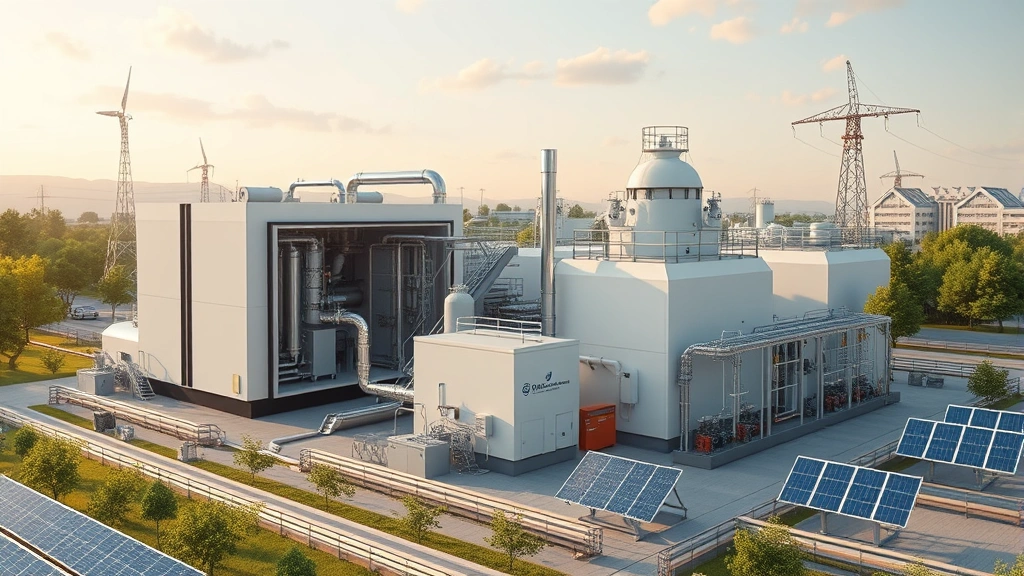
Biogas represents one of the most promising renewable gas alternatives, transforming organic waste into usable energy. Created through anaerobic digestion—a process where microorganisms break down organic material in oxygen-free environments—biogas typically contains 50-70% methane and 30-40% carbon dioxide, along with trace gases.
The sustainability advantages of biogas are substantial. First, it diverts waste from landfills, where decomposing organic matter would release methane uncontrolled into the atmosphere. Second, biogas can be produced from diverse feedstocks: agricultural waste, food processing byproducts, municipal sewage sludge, and dedicated energy crops. This flexibility makes biogas production adaptable to local resources and circular economy principles. Third, the digestate remaining after biogas extraction becomes nutrient-rich fertilizer, replacing synthetic chemical fertilizers and reducing agricultural emissions.
Several European countries have pioneered biogas adoption. Germany, for example, generates approximately 8% of its natural gas from biogas sources, with over 11,000 biogas plants operating nationwide. Sweden has implemented comprehensive biogas infrastructure, with vehicles fueled by renewable biogas representing a significant portion of their natural gas fleet. These examples demonstrate that scaling biogas production is technically feasible and economically viable.
However, biogas development requires careful management. Unsustainable practices—such as monoculture energy crop cultivation or over-reliance on food waste that could be better used for other purposes—can undermine environmental benefits. The most sustainable biogas systems prioritize agricultural residues, food processing waste, and wastewater treatment sludge rather than dedicated crops that compete with food production.
For homeowners interested in environmental sustainability examples, some communities offer biogas-based heating and cooking service options. Supporting local biogas initiatives and advocating for expanded biogas infrastructure represents an actionable way to promote renewable gas development in your region.
Propane and Liquefied Petroleum Gas
Propane and butane, collectively known as liquefied petroleum gas (LPG), occupy an interesting position in the sustainability spectrum. These hydrocarbon gases liquefy under moderate pressure, enabling efficient storage and transportation. While propane is a fossil fuel, it offers certain environmental advantages over heavier petroleum products and coal.
Propane combustion produces approximately 12% fewer carbon emissions than gasoline and significantly fewer than coal. It contains no sulfur, eliminating acid rain-contributing emissions. For rural properties without access to natural gas infrastructure, propane provides a cleaner heating and cooking alternative compared to heating oil. Additionally, propane systems can be retrofitted to existing appliances, making transitions more economically accessible than wholesale electrification.
The propane industry has made environmental commitments through initiatives like the Propane Education & Research Council’s sustainability programs. Some propane suppliers now offer renewable propane—produced from sustainable biomass sources—though current availability remains limited. As renewable propane production scales, existing propane infrastructure could transition to cleaner fuel sources without requiring equipment replacement.
For transportation, propane autogas has established itself as a practical alternative fuel, particularly for fleet vehicles and commercial applications. Propane-powered vehicles produce fewer particulate emissions and lower greenhouse gas emissions compared to gasoline counterparts. However, for personal vehicle owners, advantages of electric vehicles increasingly outweigh propane options as battery technology improves and charging infrastructure expands.
The sustainability strategy for propane involves treating it as a transitional fuel. For applications where immediate electrification proves economically unfeasible, propane represents a pragmatic improvement over dirtier alternatives. Simultaneously, property owners should develop long-term plans for converting to electric heat pumps, induction cooking, and renewable energy systems as costs decline and technology matures.
Hydrogen Gas: The Future of Clean Energy
Hydrogen represents the ultimate clean fuel—when burned, it produces only water vapor and heat, with zero carbon dioxide or particulate emissions. This remarkable characteristic has positioned hydrogen as a key component in many decarbonization strategies, particularly for hard-to-electrify sectors like heavy industry, long-distance transportation, and high-temperature heat applications.
However, hydrogen’s sustainability depends entirely on how it’s produced. Currently, approximately 96% of hydrogen is manufactured through steam methane reforming—a process that strips hydrogen from natural gas while releasing significant carbon dioxide. This conventional hydrogen, often called “gray hydrogen,” offers no environmental benefit over direct natural gas use. “Blue hydrogen” captures and sequesters the carbon dioxide produced during reforming, reducing but not eliminating emissions. Only “green hydrogen,” produced through electrolysis powered by renewable electricity, delivers the zero-emission promise hydrogen advocates promote.
The hydrogen economy faces substantial infrastructure and cost challenges. Producing green hydrogen requires abundant renewable electricity, electrolyzer technology at scale, and hydrogen storage and distribution networks. Current green hydrogen production costs remain significantly higher than gray hydrogen, though prices are declining as renewable energy becomes cheaper and electrolyzer technology improves. The U.S. Department of Energy projects that green hydrogen costs could become competitive with gray hydrogen by 2030-2040 with appropriate policy support.
Hydrogen fuel cell vehicles represent a promising near-term application, particularly for heavy trucks and commercial fleets where battery weight becomes problematic. Several manufacturers have developed hydrogen fuel cell technology, and a limited but growing refueling network exists in regions like California, Japan, and parts of Europe. For stationary applications, hydrogen serves as an energy storage solution, enabling renewable electricity to be converted to hydrogen during periods of excess generation and reconverted to electricity when needed.
For homeowners, hydrogen currently remains impractical for residential use. However, supporting hydrogen research funding, advocating for renewable hydrogen infrastructure development, and staying informed about hydrogen technology advances positions you to adopt these solutions as they mature and become commercially available.
Comparing Gas Types for Home and Transportation
Selecting the most sustainable gas option requires understanding your specific application and local context. Different situations call for different solutions, and the optimal choice depends on available infrastructure, economic factors, and environmental priorities.
For Home Heating and Hot Water: Natural gas represents the current standard in many regions, but heat pump technology offers superior efficiency and lower emissions, especially as electricity grids incorporate more renewables. For homes unable to electrify immediately, biogas represents the most sustainable gas option where available. Propane serves as a practical alternative for rural properties without natural gas access, though long-term transition planning toward heat pumps should remain a priority.
For Cooking: Electric induction cooktops outperform gas appliances in efficiency, safety, and indoor air quality. Gas cooking releases nitrogen oxides and other pollutants into indoor air, affecting respiratory health. However, if gas infrastructure already exists, biogas or renewable propane represent interim sustainable options while planning induction cooktop installation.
For Vehicle Transportation: The sustainability hierarchy clearly prioritizes electric vehicles, particularly as electricity grids decarbonize. Advantages of electric vehicles include superior efficiency, lower lifetime emissions, and reduced air pollution. For those unable to adopt electric vehicles immediately, propane autogas offers modest emissions reductions compared to gasoline. Hydrogen fuel cell vehicles represent a promising future option for those prioritizing driving range and quick refueling, though current infrastructure limitations restrict their practicality.
For Industrial and Commercial Applications: Natural gas currently dominates industrial heat and power generation. Biogas provides an excellent renewable alternative for food and agriculture-related industries. Hydrogen shows promise for high-temperature heat applications and heavy manufacturing processes. Organizations should evaluate switching to sustainable energy solutions that match their specific thermal requirements and emissions profiles.
Transitioning to Cleaner Gas Alternatives
Moving toward sustainable gas options requires a strategic, phased approach that balances environmental goals with practical and economic constraints. This transition involves personal choices, community advocacy, and supporting systemic change.
Personal Actions: Start by auditing your current gas consumption across heating, cooking, water heating, and transportation. Identify which uses represent your largest emissions and which prove most feasible to address. For heating, obtain quotes for air-source or ground-source heat pump installation—prices continue declining as adoption increases. For cooking, research induction cooktop options and installation costs. For vehicles, explore whether your lifestyle and budget currently support electric vehicle adoption, or if advantages of electric vehicles will become compelling in your next vehicle purchase cycle.
Simultaneously, reduce gas consumption through efficiency improvements. Better insulation, weatherization, programmable thermostats, and efficient appliances decrease overall energy demands regardless of fuel source. These efficiency investments typically offer faster payback periods than fuel-switching investments and benefit your wallet immediately.
Community and Policy Engagement: Advocate for local biogas infrastructure development, particularly if your region has significant agricultural or food processing industries. Support municipal natural gas phase-out initiatives and building codes requiring electrification in new construction. Encourage your utility company to expand renewable gas procurement and report on methane leak detection and prevention efforts. Participate in local climate action planning to ensure gas transition strategies align with community priorities and capabilities.
Supporting Innovation: Invest in or support companies developing green hydrogen, renewable propane, and advanced biogas technologies. Vote with your purchasing power by choosing service providers committed to sustainability. Advocate for policy support including carbon pricing, renewable energy tax credits, and hydrogen infrastructure funding that accelerates the transition away from fossil gas dependence.
The transition away from conventional fossil gases will not happen overnight. However, understanding types of gas and their relative environmental impacts empowers you to make progressively better choices. Each decision—whether switching heating systems, adopting electric cooking, or choosing an electric vehicle—contributes to reducing your personal emissions while supporting market development of cleaner alternatives.
FAQ
What is the most sustainable type of gas?
Green hydrogen and biogas represent the most sustainable gas options currently available. Green hydrogen, produced through renewable electricity-powered electrolysis, generates zero emissions during combustion. Biogas produced from organic waste provides renewable energy while diverting waste from landfills and creating nutrient-rich fertilizer. Both depend on local availability and infrastructure. For most applications, transitioning to electricity powered by renewable sources offers superior sustainability compared to any gas option.
Is natural gas sustainable?
Natural gas is cleaner than coal or oil but not truly sustainable. While combustion produces fewer emissions than heavier fossil fuels, methane leakage throughout the supply chain significantly impacts its environmental profile. Methane is 80-86 times more potent than CO₂ over 20 years, meaning even small leaks undermine sustainability claims. Natural gas functions as a transitional fuel, but long-term sustainability requires transitioning away from fossil gases entirely toward renewable electricity and truly renewable gases like green hydrogen and biogas.
Can I use biogas in my home?
Biogas availability depends on your location and local utility infrastructure. Some regions have biogas-powered utility networks where you can access renewable gas through existing natural gas appliances. Others lack biogas infrastructure entirely. Contact your local utility to inquire about biogas availability and renewable gas options. If unavailable, you might advocate for municipal biogas development, particularly if your region has agricultural or food processing industries that could supply feedstock.
How does propane compare to natural gas environmentally?
Propane combustion produces approximately 12% fewer carbon emissions than natural gas, contains no sulfur, and eliminates acid rain-contributing emissions. However, propane remains a fossil fuel with significant upstream emissions. While propane offers environmental advantages over heating oil or coal, electrification through heat pumps provides superior sustainability. Renewable propane, produced from biomass, represents a promising future option, though current availability remains limited.
When will hydrogen fuel cars become mainstream?
Hydrogen fuel cell vehicles face significant infrastructure and cost barriers before mainstream adoption. Current refueling networks exist only in limited regions like California, Japan, and parts of Europe. Green hydrogen production costs remain high, though declining. Industry experts project hydrogen vehicles may become practical for commercial fleets and long-distance applications within 10-15 years, but battery electric vehicles will likely dominate personal transportation markets in the near term due to superior infrastructure development and cost advantages.
What’s the best way to reduce my gas consumption?
Start with efficiency improvements: better insulation, weatherization, programmable thermostats, and efficient appliances reduce overall energy demands. Then prioritize fuel-switching based on your largest consumption areas. For heating, evaluate heat pump installation. For cooking, explore induction cooktop options. For transportation, assess whether electric vehicles suit your lifestyle and budget. Implement changes progressively as technology matures, costs decline, and your circumstances allow. Visit our guide on how long is gas good for to understand proper storage if you maintain emergency supplies.


