
Is U Gas Sustainable? Industry Insights and Environmental Impact Analysis
Universal Gas, commonly referred to as U Gas, has emerged as a topic of significant interest within the energy sector and sustainability communities. As consumers and businesses increasingly scrutinize their energy choices, understanding whether U Gas qualifies as a sustainable fuel source becomes essential. This comprehensive analysis examines U Gas’s environmental footprint, production methods, and viability as part of a sustainable energy future.
The question of sustainability extends beyond simple definitions. It encompasses the entire lifecycle of a fuel—from extraction and processing through transportation, combustion, and end-of-life considerations. U Gas, like all fossil fuel alternatives, presents a complex picture with both potential benefits and considerable environmental challenges that warrant careful examination.

What is U Gas and How is it Produced
U Gas represents a specific classification within the broader spectrum of fossil fuels, typically referring to ultra-lean or utility-grade natural gas with distinct chemical composition characteristics. Understanding its production process is fundamental to assessing its sustainability credentials. The extraction and processing of U Gas involves drilling into geological formations, separating the gas from other hydrocarbons, and refining it to meet specific industry standards.
The production methodology significantly influences the fuel’s overall environmental profile. Modern extraction techniques employ both conventional and unconventional methods, including hydraulic fracturing in certain regions. These processes require substantial water resources, energy inputs, and careful management to minimize environmental disruption. The refining stage further processes raw gas to remove impurities, moisture, and other compounds, consuming additional energy and generating byproducts that must be carefully managed.
For a comprehensive overview of different fuel categories, explore our guide on types of gas available in today’s market. This resource provides context for understanding where U Gas fits within the broader energy landscape and how it compares to alternative fuel classifications.
Environmental Impact of U Gas Extraction
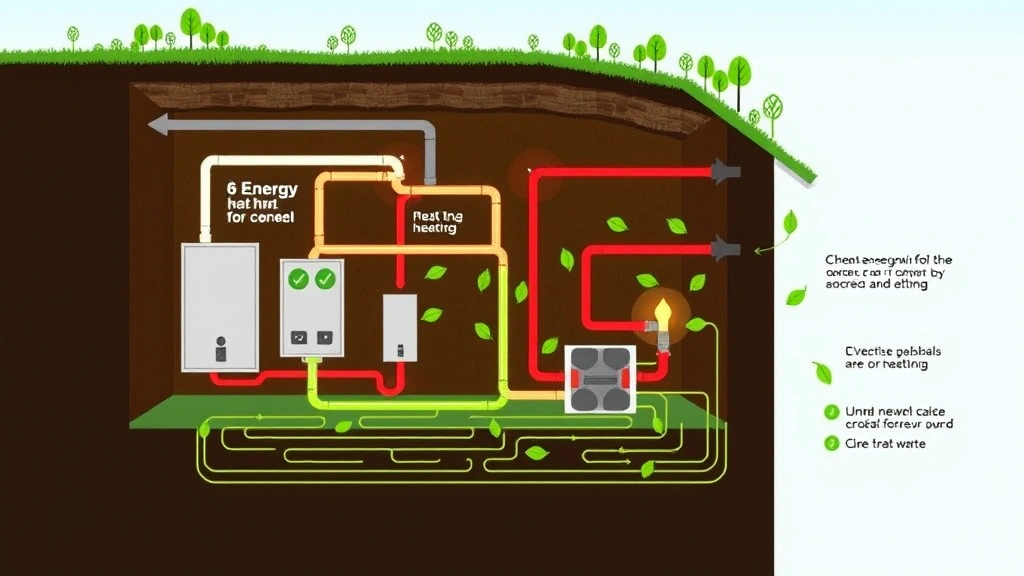
The extraction of U Gas carries significant environmental consequences that cannot be overlooked in any sustainability assessment. Drilling operations disturb landscapes, potentially affecting ecosystems and wildlife habitats. Water contamination represents one of the most pressing concerns, as extraction processes can introduce chemicals and methane into groundwater systems, threatening drinking water supplies and agricultural viability.
Methane leakage during extraction and transportation constitutes another critical environmental issue. Methane possesses a global warming potential approximately 28-34 times greater than carbon dioxide over a 100-year period, making even small leaks environmentally significant. Industry estimates suggest that methane emissions from U Gas operations contribute measurably to atmospheric greenhouse gas concentrations, though exact figures remain contested among researchers.
Land use impacts extend beyond the drilling sites themselves. Infrastructure development including pipelines, processing facilities, and distribution networks fragments habitats and alters landscapes across vast geographic regions. Cumulative effects of extraction activities can degrade soil quality, reduce biodiversity, and create long-term ecological damage that persists for decades.
According to the EPA’s greenhouse gas emissions overview, natural gas operations contribute substantially to national methane emissions. Understanding these baseline impacts helps contextualize U Gas’s specific contribution to overall environmental degradation.
Carbon Emissions and Climate Considerations
When combusted for energy production, U Gas releases carbon dioxide—a primary greenhouse gas driving anthropogenic climate change. While natural gas produces fewer carbon emissions than coal or petroleum when burned, it remains a fossil fuel with inherent climate impacts. The carbon intensity of U Gas combustion varies slightly based on purity and composition, but all variants contribute to atmospheric CO2 accumulation.
Lifecycle carbon accounting reveals that U Gas’s true climate impact exceeds direct combustion emissions. Extraction, processing, transportation, and distribution phases collectively generate substantial greenhouse gases. When methane leakage is included in these calculations, the overall climate burden increases significantly. Research indicates that accounting for methane emissions can increase U Gas’s climate impact by 20-40% compared to CO2-only calculations.
The scientific consensus, as documented by climate research institutions, demonstrates that fossil fuel combustion—including U Gas—must be substantially reduced to meet climate stabilization targets outlined in international agreements. Current global trajectories remain incompatible with limiting warming to 1.5°C above pre-industrial levels, making transitional fossil fuels increasingly difficult to justify in new infrastructure investments.
For actionable alternatives to traditional energy sources, review our comprehensive guide on sustainable energy solutions that offer pathways toward decarbonization without reliance on fossil fuels.
Comparing U Gas to Other Energy Sources
Contextualizing U Gas within the broader energy landscape requires comparing its environmental impacts against alternative sources. Coal, the dirtiest fossil fuel, produces significantly higher carbon emissions and air pollution compared to U Gas. However, this comparison provides limited justification for expanded U Gas use, as both fuels remain fundamentally incompatible with climate goals.
Renewable energy sources including solar, wind, and hydroelectric power generate electricity with minimal lifecycle carbon emissions and no operational greenhouse gas releases. These alternatives eliminate methane leakage concerns, reduce water contamination risks, and avoid habitat disruption from extraction. Battery storage technologies continue improving, addressing intermittency challenges that previously favored natural gas as a backup power source.
Nuclear energy offers another low-carbon alternative, generating substantial electricity without greenhouse gas emissions during operation. While nuclear energy presents its own challenges regarding waste disposal and safety, its lifecycle carbon footprint remains comparable to or lower than natural gas when accounting for methane leakage.
Transportation applications present a particularly important comparison. Electric vehicles powered by renewable electricity eliminate direct emissions and reduce reliance on fossil fuels entirely. As electrical grids increasingly incorporate renewable sources, vehicle electrification becomes progressively more sustainable, making gas-powered transportation increasingly difficult to defend from environmental perspectives.
Regulatory Framework and Sustainability Standards
Government regulations and industry standards shape U Gas’s sustainability profile by establishing environmental baselines and performance requirements. The EPA’s Natural Gas STAR Program encourages voluntary methane emission reductions across the industry, though participation remains optional and effectiveness varies considerably.
International climate agreements increasingly pressure nations to reduce fossil fuel dependence. The Paris Agreement establishes binding commitments to limit warming, creating policy environments where fossil fuel expansion becomes increasingly constrained. National renewable energy targets and carbon pricing mechanisms further incentivize transitions away from U Gas and other fossil fuels.
Sustainability certification systems and environmental standards attempt to distinguish between more and less harmful fossil fuel extraction methods. However, these frameworks generally represent incremental improvements rather than fundamental solutions to fossil fuel sustainability challenges. Even optimized U Gas production and distribution systems remain inherently carbon-intensive compared to renewable alternatives.
Building codes and efficiency standards increasingly favor electrification and renewable heating solutions over gas-based systems. This regulatory shift reflects growing recognition that fossil fuel infrastructure represents a long-term liability incompatible with climate objectives.
Future Viability in a Decarbonized World
The long-term sustainability of U Gas appears increasingly questionable given global decarbonization imperatives. Energy transition analyses consistently demonstrate that achieving climate goals requires phasing out fossil fuels across all sectors—including power generation, heating, and transportation. U Gas, despite being relatively cleaner than coal, cannot serve as a permanent energy solution within carbon-neutral energy systems.
Stranded asset risk represents a critical consideration for investors and policymakers. Infrastructure investments in U Gas production, processing, and distribution facilities may become economically obsolete before recovering their capital costs as global markets transition toward renewable energy. This financial reality increasingly influences investment decisions and policy directions.
Transitional roles for U Gas may exist during intermediate phases of energy system transformation, particularly in applications where renewable alternatives remain technically challenging. However, even these temporary applications face shrinking timelines as battery storage, hydrogen production, and electrification technologies advance. Relying on U Gas as a permanent energy source fundamentally conflicts with scientific climate requirements.
For practical examples of how organizations implement comprehensive sustainability strategies, explore our resource on environmental sustainability examples demonstrating real-world transitions away from fossil fuel dependence.
Industry Innovations and Cleaner Technologies
The U Gas industry continues developing technologies intended to reduce environmental impacts and improve sustainability credentials. Carbon capture and storage (CCS) technologies aim to intercept CO2 emissions before atmospheric release, though deployment remains limited and expensive. Current CCS applications capture only a small fraction of U Gas-related emissions, and long-term storage permanence requires further validation.
Methane detection and prevention technologies show promise for reducing leakage during extraction, processing, and distribution. Aerial monitoring, advanced sensors, and infrastructure upgrades can diminish but not eliminate methane emissions. These improvements represent necessary steps, yet they address symptoms rather than fundamental fossil fuel sustainability challenges.
Renewable natural gas, produced from organic waste decomposition and wastewater treatment processes, offers a potential pathway toward lower-carbon gas supplies. However, renewable gas sources remain limited in scale compared to conventional U Gas production, restricting their ability to replace fossil-derived supplies at current consumption levels.
Hydrogen produced through electrolysis using renewable electricity represents an emerging alternative to U Gas for heating and industrial applications. Unlike fossil fuel-derived hydrogen, green hydrogen enables carbon-free energy systems aligned with climate objectives. However, hydrogen infrastructure development remains nascent, and large-scale deployment requires substantial capital investment and technological maturation.
The U.S. Department of Energy’s hydrogen and fuel cell initiatives demonstrate growing government investment in hydrogen infrastructure, signaling potential long-term alternatives to U Gas-dependent systems.
Understanding Fuel Longevity and Storage
Beyond production and combustion considerations, understanding how U Gas maintains its properties during storage affects its practical sustainability profile. The question of how long gas remains viable for use influences supply chain efficiency and waste reduction. Properly stored U Gas maintains acceptable properties for extended periods, reducing product loss and associated environmental impacts from unnecessary re-processing.
Storage infrastructure itself carries environmental implications through land use, potential leakage, and maintenance requirements. Underground storage facilities offer space-efficient solutions while reducing atmospheric methane release compared to above-ground alternatives. However, storage facility development still requires environmental assessment and careful site selection to minimize ecological disruption.
Transportation and storage efficiency directly impact U Gas’s overall environmental profile. Systems minimizing leakage and product degradation reduce lifecycle emissions and resource waste. Investments in infrastructure optimization represent necessary improvements, though they remain insufficient to overcome fundamental fossil fuel sustainability limitations.
Frequently Asked Questions
Is U Gas considered a renewable energy source?
No, U Gas is not renewable. It derives from finite geological deposits requiring millions of years to form. Renewable energy sources like solar, wind, and hydroelectric power regenerate naturally on human timescales. U Gas, despite potential improvements in extraction and combustion efficiency, remains fundamentally non-renewable and therefore unsuitable as a long-term energy foundation.
How does U Gas compare to liquefied natural gas (LNG) in terms of sustainability?
Liquefied natural gas represents a processed form of natural gas that requires cryogenic cooling and specialized infrastructure. LNG shares U Gas’s fundamental fossil fuel nature while adding energy-intensive liquefaction processes that increase overall carbon intensity. From sustainability perspectives, LNG generally performs worse than conventional U Gas due to additional processing requirements.
Can U Gas be considered sustainable if methane leakage is controlled?
Even with optimized methane leak prevention, U Gas remains fundamentally carbon-intensive due to CO2 emissions from combustion. While reducing methane leakage improves environmental performance incrementally, it does not transform U Gas into a sustainable long-term energy solution. Achieving climate goals requires transitioning entirely away from fossil fuel combustion, not merely reducing its impacts.
What role might U Gas play in transitioning to renewable energy?
Some energy transition analyses identify temporary roles for natural gas as fossil fuel capacity is retired and renewable infrastructure expands. Gas-fired power plants can provide flexible capacity supporting renewable integration during intermediate transition phases. However, this transitional role should be time-limited and not extended unnecessarily, as prolonged fossil fuel dependence delays necessary decarbonization progress.
Are there certification systems for sustainable U Gas production?
Various certification schemes attempt to identify lower-impact natural gas production, including standards addressing methane emissions, water management, and land stewardship. However, these certifications represent incremental improvements rather than evidence of true sustainability. Even certified U Gas remains fundamentally fossil-fuel-based and incompatible with net-zero climate objectives.
How do consumer choices regarding U Gas affect overall sustainability?
Individual and organizational choices to transition away from U Gas toward renewable alternatives and electrified systems create market demand that accelerates clean energy infrastructure development. Supporting renewable energy adoption, improving building efficiency, and selecting electric alternatives for heating and transportation collectively advance sustainability goals more effectively than optimizing fossil fuel consumption patterns.
The evidence overwhelmingly indicates that U Gas, while potentially preferable to coal or petroleum in certain limited applications, cannot serve as a sustainable long-term energy solution. Achieving global climate objectives requires transitioning comprehensively toward renewable energy sources, electrified systems, and carbon-free alternatives. Investment decisions and policy frameworks should reflect this reality by prioritizing renewable infrastructure development rather than expanding fossil fuel dependence. The future of sustainable energy lies not in optimizing U Gas production, but in building the clean energy systems that will ultimately replace it entirely.


