Free Air at Gas Stations? A Consumer Report on Finding Complimentary Tire Inflation
Finding free air at gas stations has become increasingly challenging in today’s automotive landscape. What was once a standard courtesy service offered by nearly every fuel retailer has evolved into a fragmented patchwork of policies, corporate strategies, and regional variations. This comprehensive consumer report examines which gas stations still offer complimentary air, why this service has become scarce, and practical alternatives for drivers seeking to maintain proper tire pressure without breaking the bank.
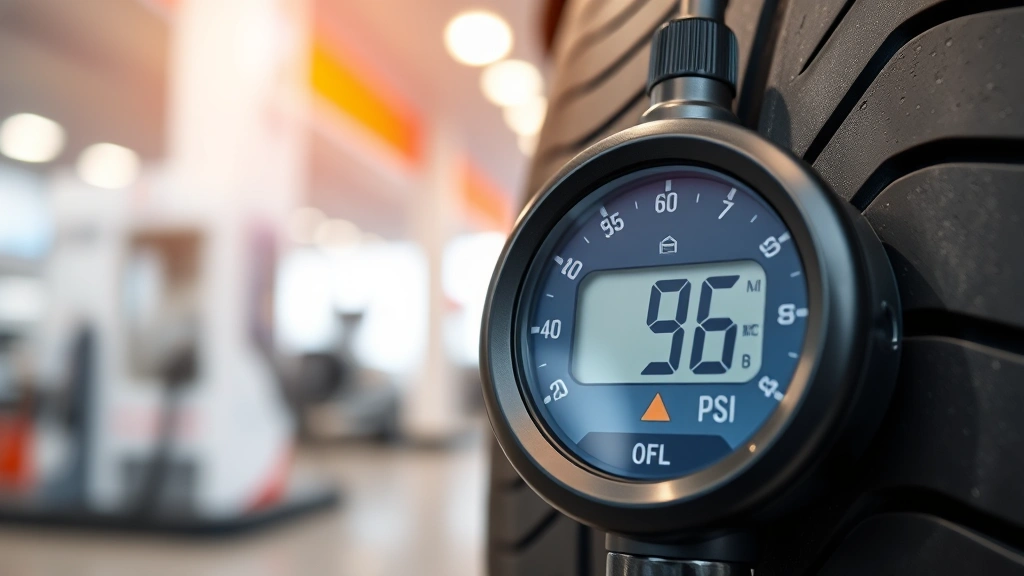
Proper tire maintenance is not merely a convenience—it’s a critical component of vehicle safety, fuel efficiency, and environmental responsibility. Underinflated tires increase rolling resistance, forcing your engine to work harder and consume more fuel. According to the U.S. Department of Energy, properly inflated tires can improve gas mileage by up to 3 percent. For environmentally conscious drivers, understanding where to access free air services represents both a financial and ecological consideration, reducing unnecessary fuel consumption and greenhouse gas emissions.
Major Gas Station Chains and Their Air Policies
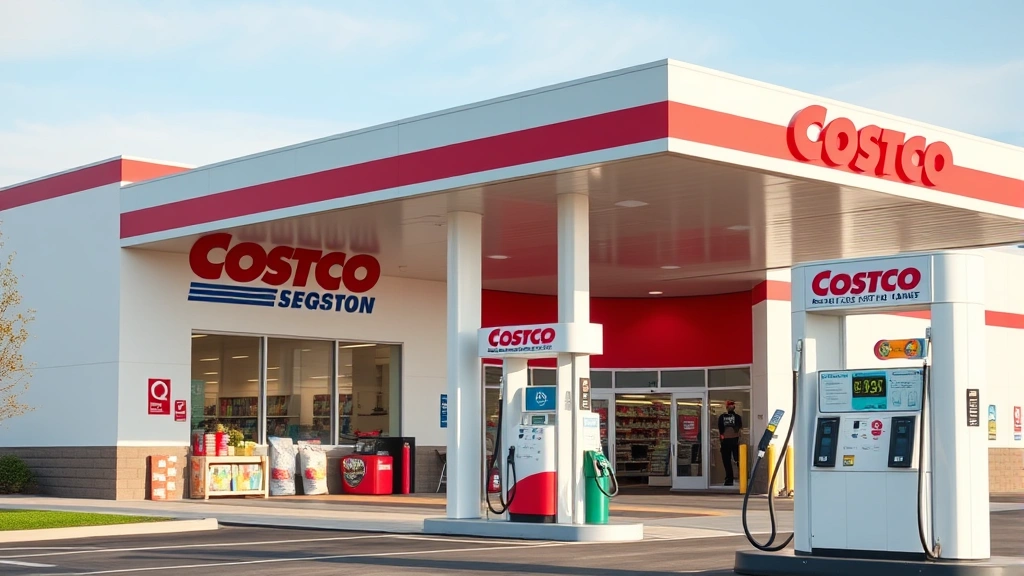
Understanding the air availability landscape requires examining the policies of the largest fuel retailers in North America. Costco Gas Stations remain among the most generous providers, offering free air to all members at virtually every location. This commitment reflects the warehouse retailer’s philosophy of providing value-added services to justify membership fees. Members can typically access air pumps 24/7, even when the station is closed, using their membership card.
Sheetz convenience stores, which operate primarily in the Mid-Atlantic and Midwest regions, provide free air at most locations. Their commitment to customer service extends to tire pressure assistance, making them a reliable option for drivers in these areas. Similarly, Wawa locations in the Mid-Atlantic region generally offer complimentary air services.
Shell, Chevron, and Mobil stations present a mixed picture. While some corporate-owned locations offer free air, many franchises have discontinued the service or require payment. The inconsistency stems from franchise independence—individual station owners make their own decisions regarding amenities. Your best approach involves calling ahead or checking the station’s website before assuming air availability.
BP and Exxon have largely phased out free air services at most locations, though some older stations or regional variations may still provide it. Speedway stations, now rebranded as Murphy USA after the 2021 acquisition, typically do not offer complimentary air, though policies vary by location.
For those interested in advantages of electric vehicles, it’s worth noting that EV owners eliminate this concern entirely, as electric vehicles require no tire inflation maintenance related to fuel consumption optimization.
Regional and Independent Station Options
Beyond major chains, regional fuel retailers and independent gas stations often provide free air as a competitive advantage. Love’s Travel Stops and Pilot Flying J, while primarily serving commercial truckers, generally offer air to all customers. These truck stops maintain professional-grade air systems designed for heavy-duty vehicles, making them excellent resources for passenger car owners as well.
Local, independent gas stations frequently maintain free air services as a customer loyalty strategy. These mom-and-pop operations understand that offering basic amenities like air keeps customers returning. In rural areas particularly, independent stations are more likely to provide complimentary air access than national chains focused on margin optimization.
Tire retailers present another avenue worth exploring. Discount Tire, Firestone, Goodyear, and Les Schwab locations typically provide free air to customers, whether or not they’ve purchased tires from that location. This service functions as a customer acquisition tool and demonstrates commitment to vehicle safety. Many tire shops offer free air checks, where trained technicians assess your tire pressure and inflate as needed.
Automotive service centers, including those at Walmart, Costco, and independent mechanics, frequently provide complimentary air services. Some dealerships also offer free air access to customers, particularly those with service departments.
Why Free Air Services Are Disappearing
The decline of complimentary air services reflects broader economic and operational trends in the fuel retail industry. Profit margin compression has driven gas stations to eliminate low-revenue amenities. Modern gas stations operate on razor-thin fuel margins—often just 2-3 percent—forcing operators to monetize ancillary services. Air pump maintenance, electricity costs, and equipment replacement represent ongoing expenses that station owners increasingly pass to customers.
Additionally, liability concerns have influenced some operators’ decisions. Air pump accidents, while rare, can cause injuries. Removing the service eliminates potential legal exposure. Some stations have replaced free air with paid pump systems that incorporate safety features and generate revenue.
Changing consumer behavior also factors into this equation. Modern vehicles include tire pressure monitoring systems (TPMS) that alert drivers to underinflation. Some drivers interpret these warnings as necessitating professional service rather than self-service air inflation, increasing demand for paid services.
The transition toward green technology innovations transforming our future includes more efficient tire pressure systems. However, even these advanced vehicles require periodic air access, making the disappearance of free services increasingly problematic for cost-conscious consumers.
Alternative Solutions and DIY Options
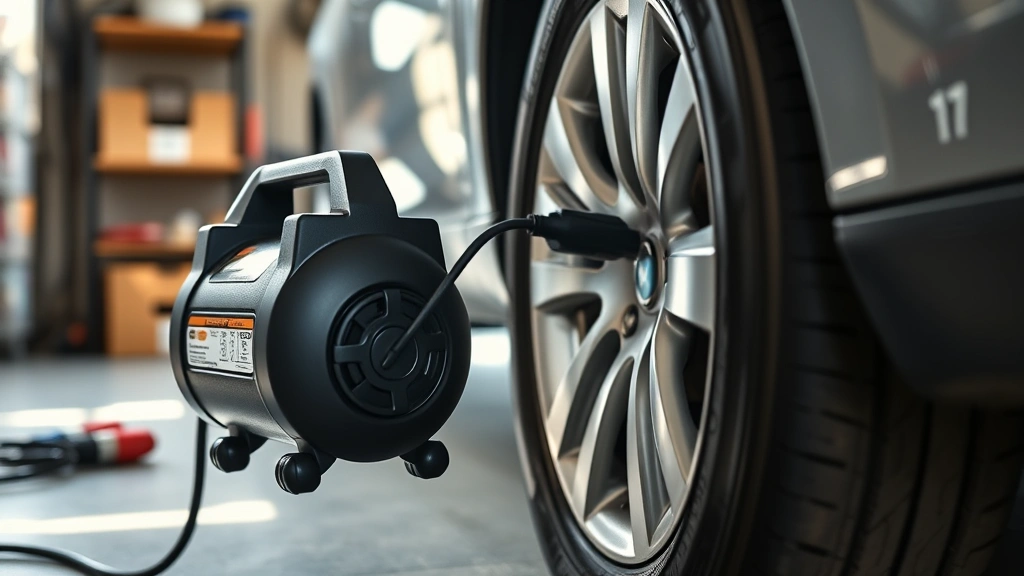
Given the scarcity of free air services, investing in a portable air compressor represents the most practical long-term solution. 12-volt DC compressors that plug into your vehicle’s cigarette lighter or power outlet cost between $20-$50 and provide independence from gas station policies. These compact units fit easily in your trunk and enable roadside inflation whenever needed.
AC-powered compressors for home use range from $40-$150 and offer faster inflation times. If you have a garage or driveway outlet, a home compressor eliminates dependency on commercial air sources entirely. Regular use of a home compressor represents an investment in vehicle safety and fuel efficiency that pays dividends over time.
Foot pumps provide the most economical option at $10-$30, though they require physical effort and are slower than powered alternatives. For emergency situations or occasional top-ups, a quality foot pump offers a reliable backup solution.
Tire pressure monitoring and maintenance apps help drivers track inflation schedules. Checking tire pressure monthly—especially before long trips or seasonal changes—prevents many of the issues that lead to gas station air requests. Most vehicles include tire pressure specifications on a placard inside the driver’s door jamb or in the owner’s manual.
For those pursuing principles of sustainability: a comprehensive guide, maintaining optimal tire pressure represents a practical sustainability action. Proper inflation reduces fuel consumption, decreases emissions, and extends tire lifespan, reducing waste.
Environmental Impact of Tire Maintenance
The relationship between tire pressure and environmental impact deserves serious consideration. Underinflated tires create increased rolling resistance, requiring engines to burn more fuel to maintain speed. The Environmental Protection Agency (EPA) estimates that for every 1 psi (pound per square inch) drop in tire pressure below the recommended level, fuel economy decreases by approximately 0.2 percent.
On a vehicle averaging 25 mpg, if all four tires are underinflated by just 5 psi, fuel consumption increases by roughly 1 percent. Over a year, this translates to extra gallons of fuel burned and additional carbon dioxide emissions released into the atmosphere. For drivers seeking to minimize their carbon footprint, proper tire maintenance ranks among the easiest and most impactful actions available.
The broader environmental sustainability examples: practical ways to protect our planet include vehicle maintenance practices that extend equipment lifespan and reduce resource consumption. Properly inflated tires wear more evenly and last longer, reducing the frequency of tire replacements and associated manufacturing waste.
Tire production carries significant environmental costs, including petroleum extraction, chemical processing, and transportation. By extending tire life through proper pressure maintenance, drivers reduce demand for new tire manufacturing and decrease the volume of end-of-life tires requiring disposal or recycling.
Money-Saving Strategies for Drivers
Beyond finding free air, several strategies help drivers minimize tire-related expenses. Costco membership offers exceptional value for regular drivers, providing not only free air but also competitive tire prices, free tire balancing, and additional services. The annual membership cost ($60 for Gold Star) easily pays for itself through fuel savings and tire service discounts.
Tire rotation every 5,000-7,000 miles promotes even wear and extends tire lifespan. Many tire retailers provide free rotation with tire purchases, and some offer complimentary rotation to non-customers as a customer acquisition strategy.
Seasonal tire pressure adjustments prevent unnecessary inflation issues. Cold weather naturally reduces tire pressure—approximately 1 psi for every 10°F temperature drop—while warm weather increases pressure. Monitoring pressure during seasonal transitions prevents both underinflation and overinflation.
Bulk purchasing of tires during sales events or through warehouse retailers saves significant money compared to purchasing individual tires at standard retail prices. Combining tire purchases with free air and maintenance services at SustainWise Hub Blog partner retailers maximizes savings.
Exploring sustainable energy solutions includes evaluating whether transitioning to electric or hybrid vehicles makes financial sense for your driving patterns. These vehicles require less tire maintenance and eliminate fuel consumption entirely.
Utilizing fueleconomy.gov resources helps drivers understand how tire pressure directly affects their specific vehicle’s fuel consumption, providing concrete data for justifying investments in proper maintenance equipment.
Practical Tips for Finding Free Air Today
When searching for free air services in your area, begin by contacting local Costco Gas Stations, Sheetz, or Wawa locations if available in your region. Call ahead rather than assuming availability—policies change and franchise variations exist.
Check tire retailer websites for free air service information. Most major chains prominently advertise this service as a customer benefit. Visit during business hours when staff can assist with pressure checks and inflation.
Explore truck stops and travel centers in your area, even if you don’t typically frequent them. These facilities maintain air systems designed for professional use and welcome passenger vehicle owners.
Contact local independent gas stations and automotive service centers directly. Smaller operations often maintain free air as a customer loyalty tool and may offer personalized service.
Join automotive clubs or loyalty programs that include tire maintenance benefits. Some programs offer discounted or free air services through partner networks.
Maintain a portable compressor in your vehicle as a permanent solution. This eliminates dependency on finding free services and provides peace of mind during emergencies.
Emerging Technologies and Future Outlook
Advanced tire pressure monitoring systems (TPMS) continue evolving, with newer vehicles featuring individual wheel sensors that provide real-time pressure data through smartphone apps. These systems enable drivers to monitor pressure without visiting gas stations, though they still require air access for actual inflation.
Some automotive manufacturers are experimenting with self-sealing tire technology that automatically maintains pressure longer, potentially reducing inflation frequency. However, these technologies remain expensive and not yet mainstream.
The shift toward advantages of electric vehicles includes reduced tire maintenance needs compared to traditional vehicles. Electric motors deliver torque more efficiently, reducing wear on tires, and regenerative braking systems decrease brake wear. However, EV tires still require periodic pressure checks and inflation.
Smart gas stations and connected vehicle technology may eventually enable automated tire pressure monitoring and inflation services. Some forward-thinking fuel retailers are experimenting with self-service kiosks that provide automated pressure readings and inflation.
FAQ
Which major gas station chains offer free air?
Costco Gas Stations provide free air to all members at virtually every location. Sheetz and Wawa (in their respective regions) also offer complimentary air. Most other major chains (Shell, Chevron, Mobil, BP, Exxon) have largely discontinued free air, though some locations may still provide it. Always call ahead to confirm.
Do tire retailers charge for air?
No. Discount Tire, Firestone, Goodyear, Les Schwab, and most other tire retailers offer free air to all customers, regardless of purchase history. This service functions as a customer benefit and safety commitment.
How much does it cost to inflate tires at a gas station that charges?
Paid air services typically cost $1-$3 per inflation. Some stations charge per minute of use rather than per vehicle. Costco and tire retailers make free air available as a competitive advantage.
What’s the best portable compressor for vehicle use?
12-volt DC compressors plugging into cigarette lighters offer the best balance of portability and functionality, costing $20-$50. AC-powered compressors ($40-$150) work faster for home use. Choose based on your primary use case.
How often should I check tire pressure?
Check tire pressure at least monthly and before long trips. Cold weather requires more frequent checks due to natural pressure drops. Refer to your vehicle’s door jamb placard for correct pressure specifications.
Can underinflated tires really affect fuel economy?
Yes. Underinflated tires increase rolling resistance, reducing fuel economy by approximately 0.2 percent per 1 psi below recommended pressure. Maintaining correct pressure is one of the easiest ways to improve fuel efficiency and reduce emissions.
Are foot pumps effective for car tires?
Foot pumps work but require significant physical effort and time. They’re best used for emergency top-ups or as backup solutions. For regular maintenance, electric compressors prove more practical.
What should I do if I can’t find free air in my area?
Invest in a portable 12-volt compressor for your vehicle ($20-$50) or an AC-powered home compressor ($40-$150). These one-time investments provide independence from commercial air services and pay for themselves quickly through fuel savings.


