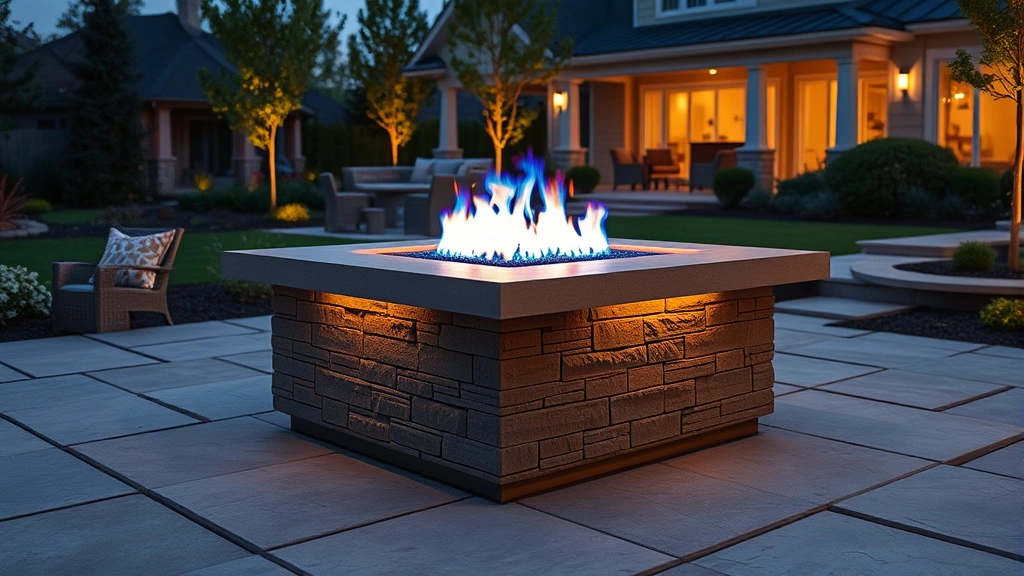
Natural Gas Firepits: Eco-Friendly Option?
As homeowners increasingly seek ways to enhance outdoor living spaces while minimizing environmental impact, natural gas firepits have emerged as a popular alternative to traditional wood-burning options. These modern fixtures promise convenience, cleaner combustion, and year-round usability—but do they truly qualify as an eco-friendly choice? The answer requires examining the full lifecycle of natural gas as a fuel source, comparing emissions profiles, and understanding how these firepits fit within broader sustainability principles.
The environmental debate surrounding natural gas firepits centers on several critical factors: methane leakage during extraction and distribution, carbon dioxide emissions during combustion, energy efficiency compared to alternatives, and the renewable energy landscape. While natural gas burns cleaner than wood and produces fewer particulates, it remains a fossil fuel with inherent climate implications. This comprehensive guide explores whether natural gas firepits represent a genuinely sustainable outdoor heating solution or merely a lesser environmental evil.
Understanding Natural Gas as a Fuel Source
Natural gas consists primarily of methane (CH₄) and is extracted from underground deposits through conventional drilling or unconventional methods like hydraulic fracturing. As an energy source, it occupies an interesting position in the sustainability spectrum—cleaner than coal and oil in direct combustion, yet still a non-renewable fossil fuel contributing to climate change. Understanding this nuance is essential when evaluating whether a natural gas firepit aligns with your environmental values.
The journey from extraction to your backyard involves multiple stages: drilling, processing, compression, transportation via pipeline networks, and finally, delivery to residential users. Each stage carries environmental costs, from habitat disruption during extraction to fugitive emissions throughout the supply chain. When considering sustainable energy solutions, natural gas represents a transitional fuel rather than a long-term answer to environmental challenges.
Natural gas does offer certain advantages over solid fuels. It burns more completely than wood, producing fewer ash particles and volatile organic compounds that contribute to air quality problems. For this reason, many regions with air quality concerns have actively promoted natural gas adoption. However, cleaner combustion doesn’t necessarily translate to environmental sustainability when upstream emissions are factored into the equation.
Emissions Profile: Natural Gas vs. Wood and Propane
When comparing outdoor heating options, emissions analysis must consider both direct combustion byproducts and lifecycle greenhouse gas contributions. A natural gas firepit produces approximately 5.3 pounds of carbon dioxide per million BTU of energy released—roughly 30% less than wood burning and 15-20% less than propane combustion. This cleaner direct combustion profile explains why many homeowners view natural gas firepits as the more environmentally responsible choice.
Wood-burning firepits, while providing a romantic aesthetic and utilizing a renewable resource, generate significant particulate matter and indoor/outdoor air pollution. Research from the EPA’s Burn Wise Program indicates that residential wood burning contributes substantially to fine particulate pollution in many communities. Additionally, inefficient wood combustion releases unburned hydrocarbons and carbon monoxide, creating both environmental and health concerns.
Propane, a liquefied petroleum gas, produces slightly more CO₂ than natural gas during combustion but offers portability and doesn’t require permanent pipeline infrastructure. The choice between natural gas and propane often depends on local availability and your specific outdoor setup. For permanent installations where advantages of natural gas include established infrastructure, the fossil fuel option becomes more practical from a convenience perspective.
However, lifecycle analysis reveals a more complex picture. When accounting for extraction, processing, and transportation emissions—often called “upstream emissions”—natural gas’s advantage narrows considerably. Studies show that if methane leakage rates exceed 3-4% during production and distribution, natural gas’s climate benefit over coal essentially disappears on a 20-year timescale.
Methane Leakage and Climate Impact
Methane represents the critical environmental wildcard in natural gas assessment. As a greenhouse gas, methane traps roughly 84-86 times more heat than carbon dioxide over a 20-year period, making even small leakage rates climatically significant. The natural gas industry reports leakage rates around 1-2%, but independent research from universities and environmental organizations suggests actual rates may reach 2.5-3.5% or higher in some regions.
These fugitive emissions occur at multiple points: during extraction at wellheads, at processing facilities, throughout thousands of miles of pipeline infrastructure, at storage facilities, and at distribution points before reaching consumer connections. Aging pipeline networks, particularly in older cities, show higher leakage rates than newer infrastructure. A single unrepaired leak in urban distribution systems can release methane equivalent to the carbon footprint of several homes annually.
The methane leakage issue fundamentally challenges the “cleaner natural gas” narrative. If upstream emissions are substantial, your natural gas firepit’s climate benefit compared to alternatives diminishes significantly. Environmental organizations like the Clean Air Task Force have called for stricter methane regulations and leakage monitoring to ensure natural gas’s role as a transitional fuel doesn’t undermine climate goals.
For homeowners concerned about climate impact, this reality suggests that natural gas firepits represent a compromise solution rather than a genuinely eco-friendly choice. The environmental case strengthens considerably if your region has invested in modern pipeline infrastructure and actively monitors for leaks, but this isn’t universal.
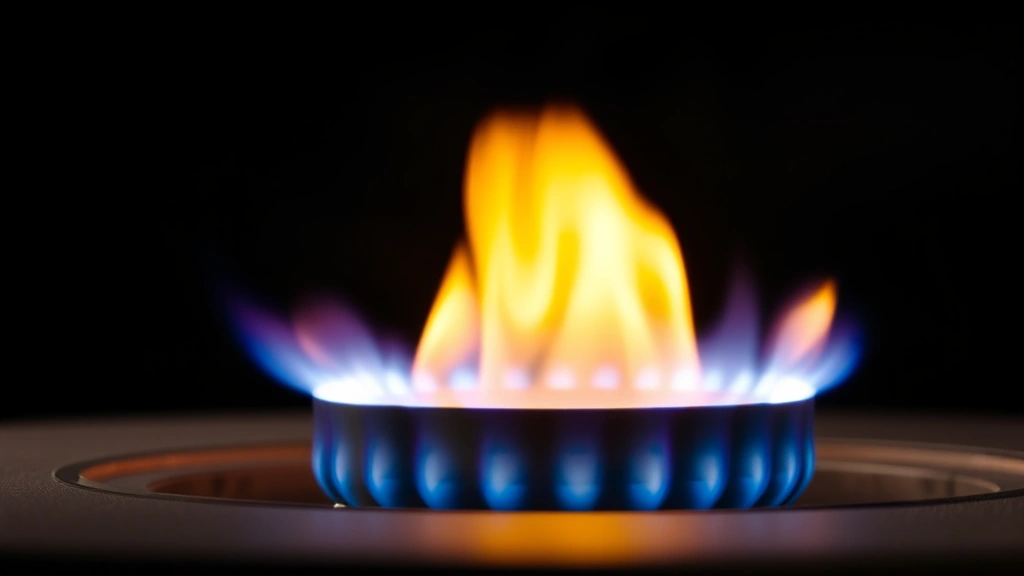
” alt=”Natural gas firepit with blue flame burning in residential backyard setting at dusk”>
Efficiency and Performance Metrics
Natural gas firepits demonstrate impressive efficiency compared to wood-burning alternatives. While wood fires typically achieve 10-30% efficiency (with much heat escaping up the chimney), natural gas firepits convert 50-90% of fuel energy into usable heat. This superior efficiency means you require less fuel to achieve equivalent warmth, reducing overall consumption and associated emissions.
The efficiency advantage stems from several factors: complete combustion of gaseous fuel, minimal heat loss through unburned particles, and the ability to modulate flame height and heat output with simple controls. Many modern natural gas firepits feature electronic ignition systems eliminating the need for pilot lights that continuously consume fuel, further improving efficiency metrics.
Performance reliability also favors natural gas options. Unlike wood fires requiring dry fuel storage, fire tending, and ash cleanup, natural gas firepits offer instant ignition, consistent heat output, and minimal maintenance. This reliability encourages more frequent use compared to wood alternatives, which could increase overall fuel consumption despite superior per-use efficiency.
When evaluating efficiency within broader sustainability contexts, consider that improved performance alone doesn’t determine environmental friendliness. A highly efficient device powered by non-renewable fuel still contributes to climate change and resource depletion. True sustainability requires combining efficiency improvements with renewable energy transitions—a challenge natural gas firepits don’t address.
Installation and Infrastructure Considerations
Natural gas firepit installation requires connection to existing pipeline infrastructure or installation of new gas lines, representing a significant upfront investment but enabling long-term convenience. Homes already connected to natural gas networks benefit from existing infrastructure without additional environmental costs beyond normal utility expansion. However, installing new gas lines involves excavation, potential habitat disruption, and permanent infrastructure modification.
The presence of established natural gas infrastructure in your area affects the environmental calculus considerably. If your home already connects to the grid, adding a firepit to existing lines creates minimal additional infrastructure impact. Conversely, if installation requires new pipeline runs or extending service to previously unserved areas, environmental costs increase substantially through construction impacts and increased system-wide leakage opportunities.
Permanent natural gas installations also create long-term lock-in effects, discouraging future transitions to renewable heating alternatives. Communities investing heavily in gas infrastructure often delay renewable energy adoption, perpetuating fossil fuel dependence. From a how to reduce your environmental footprint perspective, this infrastructure commitment deserves serious consideration.
Professional installation by certified technicians ensures safety and proper combustion, but also adds to project costs. Unlike portable propane alternatives, natural gas firepits require permanent placement and professional connections, limiting flexibility if you later decide to transition to alternative heating methods.
Comparing Outdoor Heating Alternatives
The natural gas firepit exists within a broader landscape of outdoor heating options, each with distinct environmental profiles. Understanding these alternatives provides essential context for making informed sustainability decisions about your outdoor living space.
Wood-Burning Firepits: While utilizing a renewable resource, traditional wood fires generate substantial air pollution, require dry fuel storage, and demonstrate poor efficiency. They’re most justifiable in regions with abundant sustainably-harvested wood and minimal air quality concerns. The romantic ambiance they provide offers non-quantifiable value some homeowners prioritize.
Propane Firepits: Portable propane systems offer flexibility without permanent infrastructure. Propane combustion produces slightly higher emissions than natural gas but avoids methane leakage issues associated with pipeline distribution. Propane works well for renters or those unwilling to modify their homes permanently.
Electric Heating: Electric outdoor heaters powered by renewable energy sources represent the lowest-emission option. However, they provide less ambiance and aesthetic appeal than flame-based systems, and their practicality depends on electrical outlet availability and climate conditions. In regions with carbon-intensive electricity grids, emissions advantages diminish.
Bioethanol Firepits: These burn renewable fuel derived from agricultural products, producing only water vapor and CO₂ during combustion. They offer flame aesthetics without permanent installation but rely on sustainable bioethanol sourcing and don’t provide significant heat output.
Solar-Powered Heating: For regions with adequate sunlight, solar heating solutions provide zero-emission warmth. Thermal mass elements can store daytime heat for evening use, though this technology works best in specific climates.
Making a Sustainable Choice
Determining whether a natural gas firepit represents an eco-friendly choice requires honest assessment of your priorities, regional context, and available alternatives. No single answer applies universally—sustainability depends on your specific situation and values.
Choose natural gas firepits if: Your home already connects to natural gas infrastructure, you prioritize cleaner combustion and air quality, you want reliable heat for regular outdoor entertaining, and you’re unable or unwilling to switch to renewable energy sources immediately. Natural gas represents a reasonable transitional choice for those gradually reducing their environmental footprint.
Avoid natural gas firepits if: You live in a region with high methane leakage rates, you have access to renewable energy alternatives, your region’s electricity grid relies heavily on renewables, or you’re philosophically committed to eliminating fossil fuel dependence. The environmental case weakens in these scenarios.
Consider alternatives if: You value maximum environmental responsibility, you’re willing to sacrifice some ambiance for sustainability, your climate enables electric or solar heating, or you want to avoid long-term infrastructure lock-in effects. Alternatives exist for nearly every situation, though they may involve trade-offs in convenience or aesthetics.
Returning to the original question—are natural gas firepits eco-friendly?—the honest answer is: conditionally. They’re cleaner than wood and represent a reasonable compromise for those unable to eliminate fossil fuels entirely. However, they’re not genuinely sustainable solutions. True environmental responsibility involves transitioning away from natural gas entirely toward renewable heating systems.
Within the context of broader sustainability discussions, natural gas firepits exemplify the challenge of incremental environmental progress. They improve upon worse alternatives without solving underlying problems. If you choose natural gas, view it as a transitional step while you work toward fully renewable outdoor living solutions in your long-term sustainability journey.
Frequently Asked Questions
Are natural gas firepits safer than wood-burning ones?
Natural gas firepits offer superior safety in several respects: they eliminate fire spread risks associated with flying sparks, produce no unburned embers, require no fuel storage, and feature automatic shut-off capabilities. However, they introduce gas leak risks if not properly installed and maintained. Professional installation and regular inspections minimize these dangers. Both systems require appropriate clearance from structures and supervision during operation.
How much does it cost to install a natural gas firepit?
Installation costs vary significantly based on existing infrastructure. If your home already connects to natural gas, adding a firepit may cost $2,000-$5,000 for the fixture and connection. Installing new gas lines for homes without existing service can reach $5,000-$15,000 or more, depending on distance and terrain. Propane alternatives eliminate installation costs but require ongoing cylinder purchases.
What’s the environmental impact of natural gas extraction?
Natural gas extraction involves drilling, hydraulic fracturing in some cases, habitat disruption, and water use. Processing and compression require energy, typically from fossil fuels. Transportation via pipelines creates fugitive methane emissions. Collectively, these upstream processes account for 20-40% of natural gas’s total lifecycle greenhouse gas emissions, making methane leakage rates critically important to environmental assessment.
Can I convert a propane firepit to natural gas?
Some firepits feature conversion kits allowing propane-to-natural gas switching, but many cannot be safely converted. Conversion requires different orifice sizes and regulator settings. Professional assessment is essential before attempting any conversion. If you’re considering this transition, purchase a convertible model from the outset or consult certified technicians.
How do natural gas firepit emissions compare to home heating systems?
Firepit usage typically represents a small fraction of household energy consumption, concentrated in outdoor entertaining seasons. A firepit running four hours weekly produces emissions equivalent to 1-2% of typical home heating. While the absolute impact is smaller, the relative inefficiency compared to central heating systems suggests firepits are primarily lifestyle amenities rather than essential heating solutions.
What’s the lifespan of a natural gas firepit?
Quality natural gas firepits last 15-25 years with proper maintenance. Stainless steel components resist corrosion better than painted steel. Regular inspections of connections and burner components extend lifespan and ensure safety. End-of-life disposal involves recycling metal components, though some plastic elements may present recycling challenges.
Do natural gas firepits require ventilation?
Outdoor firepits don’t require ventilation since combustion byproducts disperse into open air. However, if you’re considering enclosed or covered installations, proper ventilation becomes critical to prevent carbon monoxide accumulation. Always follow manufacturer guidelines regarding clearances and ventilation requirements.


