
Is Stainless Steel Eco-Friendly? Expert Insights on Sustainability and Kitchen Appliances
Stainless steel has become a ubiquitous material in modern kitchens, from countertops to appliances like gas ranges. Yet many homeowners wonder whether this gleaming metal truly aligns with sustainability principles. The answer is nuanced. While stainless steel offers genuine environmental advantages—including durability, recyclability, and resistance to corrosion—its production carries significant environmental costs. Understanding both sides of this equation helps you make informed decisions about your kitchen investments and overall environmental sustainability.
When evaluating whether a stainless steel gas range qualifies as eco-friendly, we must consider the entire lifecycle: extraction of raw materials, manufacturing processes, transportation, usage, and end-of-life recycling. This comprehensive analysis reveals that stainless steel sits somewhere in the middle of the sustainability spectrum—better than single-use plastics or poorly maintained appliances, but not without environmental trade-offs.
What is Stainless Steel and How is it Made?
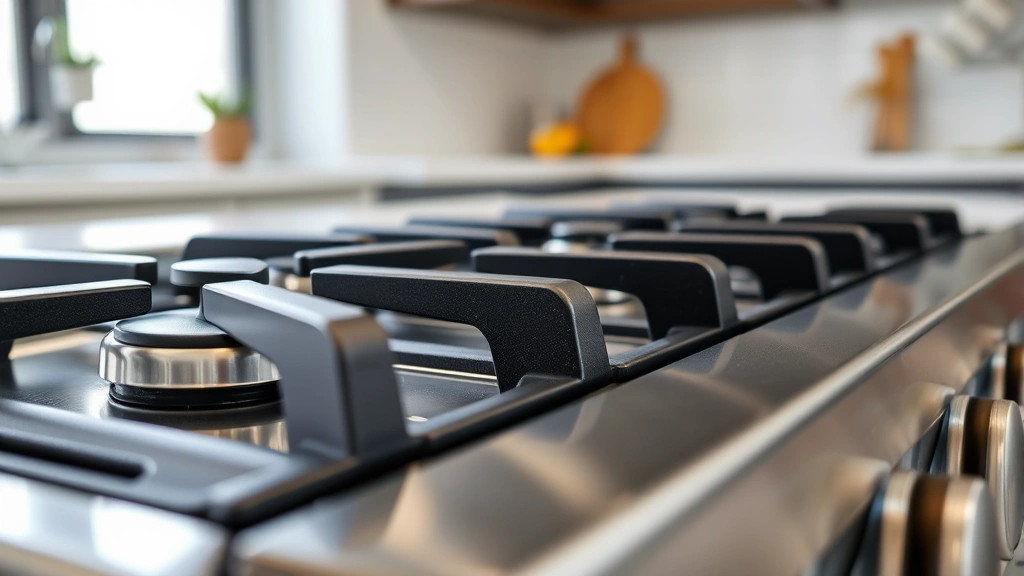
Stainless steel is an iron-based alloy containing at least 10.5% chromium, which creates a protective oxide layer that prevents rust and corrosion. Most stainless steel also includes nickel, molybdenum, and other elements that enhance strength, durability, and aesthetic appeal. This composition makes it ideal for kitchen appliances, particularly gas ranges that endure high heat and moisture exposure.
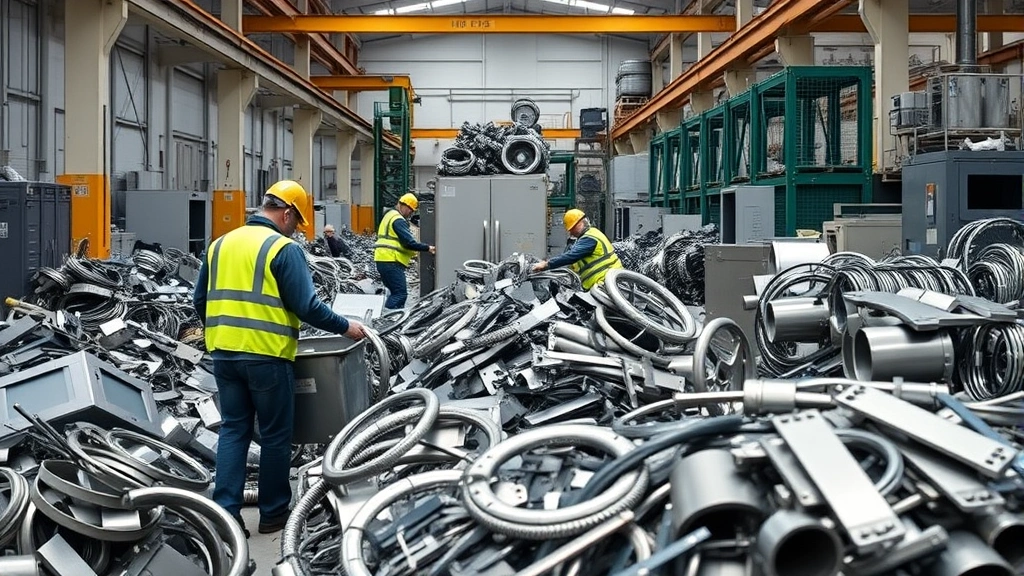
The manufacturing process begins with mining iron ore, chromium, and other minerals. These raw materials undergo smelting in blast furnaces, where they’re heated to extremely high temperatures—often exceeding 1,500 degrees Celsius. The resulting molten metal is refined and cast into ingots, then rolled, shaped, and finished into the stainless steel components used in appliances. Each step requires substantial energy input, predominantly from fossil fuels in many regions.
Understanding sustainability principles helps contextualize these manufacturing demands. Energy consumption during production represents the largest environmental burden associated with stainless steel, though modern mills increasingly implement efficiency improvements and renewable energy sources.
Environmental Impact of Stainless Steel Production
Energy Consumption and Carbon Emissions
Stainless steel production is energy-intensive, consuming approximately 50-60 megajoules per kilogram of material produced. This translates to significant carbon dioxide emissions—typically 5-8 kilograms of CO2 per kilogram of stainless steel manufactured. For a typical gas range weighing 100-150 kilograms, the production carbon footprint ranges from 500 to 1,200 kilograms of CO2 equivalent.
According to the EPA’s greenhouse gas emissions data, industrial metal production accounts for roughly 7% of global emissions. The stainless steel industry specifically contributes approximately 1-2% of global industrial emissions, making it a notable but not dominant source.
Mining and Resource Extraction
The extraction of chromium, nickel, and iron ore involves significant environmental disruption. Mining operations can result in habitat destruction, soil degradation, and water pollution if not properly managed. Nickel mining, in particular, has been associated with acid mine drainage and ecosystem damage in certain regions. The U.S. Geological Survey documents how responsible mining practices can substantially reduce these impacts.
Water Usage
Stainless steel production requires considerable water for cooling and processing. Modern mills use between 20-40 tons of water per ton of stainless steel produced. In water-scarce regions, this consumption raises sustainability concerns, though many facilities now implement closed-loop water recycling systems to reduce consumption.
Recyclability and Long-Term Benefits
One of stainless steel’s greatest environmental advantages is its exceptional recyclability. Unlike many materials that degrade through recycling cycles, stainless steel maintains its properties indefinitely. Approximately 85% of stainless steel produced is ultimately recycled, and recycled content comprises 40-60% of new stainless steel production in developed nations.
Recycling stainless steel requires only 25-30% of the energy needed to produce virgin material, dramatically reducing the carbon footprint of recycled content. This means that a stainless steel gas range that reaches end-of-life can be melted down and transformed into new appliances, automotive components, or construction materials with minimal environmental penalty.
The durability of stainless steel amplifies these benefits. A well-maintained stainless steel gas range typically functions for 15-20 years or longer, compared to 10-12 years for lower-grade materials. This extended lifespan means fewer replacements, reduced manufacturing impacts per year of use, and lower overall lifecycle emissions. Our sustainability blog frequently explores how product longevity contributes to environmental responsibility.
Closed-Loop Potential
The stainless steel industry increasingly embraces circular economy principles. Major manufacturers collect used appliances, disassemble them, and recover valuable materials. This closed-loop approach minimizes waste and reduces dependence on virgin ore extraction. Progressive companies now offer take-back programs where consumers return old gas ranges for proper recycling.
Stainless Steel Gas Ranges: Sustainability Considerations
When evaluating stainless steel gas ranges specifically, we must consider both the material’s properties and the appliance’s operational efficiency. Gas ranges present unique sustainability factors compared to other stainless steel kitchen equipment.
Operational Efficiency
Gas ranges are inherently efficient cooking appliances. Natural gas combustion converts 70-75% of fuel energy into heat, compared to 65-70% for electric coil ranges. This operational efficiency partially offsets the production carbon footprint. However, sustainable energy solutions increasingly favor induction cooktops, which achieve 80-90% efficiency rates.
The methane leakage associated with natural gas extraction and distribution represents a significant climate concern. Even small leaks compound substantially across supply chains. Consumers prioritizing maximum sustainability might consider electric or induction alternatives, though stainless steel gas ranges remain a reasonable middle-ground choice.
Longevity and Maintenance
Stainless steel’s corrosion resistance means gas ranges maintain functionality and appearance throughout their operational life. Unlike painted or powder-coated finishes that deteriorate, stainless steel surfaces resist staining and degradation. This longevity reduces the likelihood of premature replacement driven by aesthetic concerns rather than mechanical failure.
Proper maintenance—regular cleaning with appropriate products and prompt repair of damaged components—extends the lifespan further. Investing in quality stainless steel gas ranges from reputable manufacturers ensures better durability than budget alternatives, ultimately serving sustainability goals.
Manufacturing Standards
Leading appliance manufacturers increasingly implement sustainable manufacturing practices. Look for products from companies committed to renewable energy use, waste reduction, and responsible sourcing. Certifications from organizations like ENERGY STAR indicate products meeting efficiency standards, though gas ranges aren’t typically ENERGY STAR certified.
Comparing Stainless Steel to Alternative Materials
Stainless Steel vs. Cast Iron
Cast iron cookware and appliances require less processing than stainless steel and can be recycled indefinitely. However, cast iron is more susceptible to rust without proper maintenance, potentially reducing lifespan. For gas range construction, cast iron components are less common than stainless steel due to heat distribution and corrosion concerns.
Stainless Steel vs. Aluminum
Aluminum is lighter and requires less energy to produce than stainless steel. However, aluminum is more reactive and less suitable for kitchen appliances exposed to acidic foods and moisture. Aluminum’s recycling rate, while respectable at 50%, trails stainless steel. For gas range durability and food safety, stainless steel remains superior.
Stainless Steel vs. Painted Steel
Cheaper gas ranges often use painted or powder-coated steel rather than stainless steel. While production emissions may be slightly lower, painted finishes deteriorate through oxidation and corrosion, reducing lifespan to 8-10 years. The higher replacement frequency negates initial production advantages, making stainless steel more sustainable long-term.
Stainless Steel vs. Ceramic and Glass
Ceramic cooktops and glass surfaces offer aesthetic appeal but are prone to chipping and cracking. Replacement costs and environmental impacts of frequent repairs or replacements make these materials less sustainable than stainless steel for high-use appliances.
Making Stainless Steel More Sustainable
Purchasing Considerations
When buying a stainless steel gas range, prioritize durability and quality. Invest in established brands with strong warranties and repair support networks. This ensures your appliance remains functional for 15-20+ years, maximizing the sustainability benefit of its durable construction. Consider appliances with modular components that can be individually replaced rather than requiring full replacement.
Responsible Sourcing
Research manufacturers’ supply chain practices. Companies committed to responsible mining, renewable energy use in production, and fair labor practices deserve support. Some manufacturers publish detailed sustainability reports documenting their environmental initiatives and progress toward carbon neutrality.
Installation and Usage
Proper installation ensures optimal performance and safety. Professional installation prevents gas leaks that waste fuel and increase emissions. During operation, maintain your gas range according to manufacturer specifications. Clean burners regularly to ensure complete combustion, which maximizes efficiency and minimizes pollutant emissions.
End-of-Life Planning
When your stainless steel gas range eventually reaches end-of-life, ensure proper recycling rather than landfill disposal. Contact local scrap metal recyclers or appliance recycling programs. Many municipalities offer collection services for large appliances. This simple step ensures the stainless steel enters the circular economy and becomes raw material for future products.
Complementary Choices
Pair your stainless steel gas range with other sustainable kitchen practices. Use sustainable transportation principles to source local, organic food that minimizes supply chain emissions. Implement energy-efficient cooking techniques like using lids, matching pot sizes to burners, and choosing pressure cookers to reduce cooking times.
FAQ
Is stainless steel completely recyclable?
Stainless steel is infinitely recyclable without degradation of material properties. Approximately 85% of stainless steel produced globally is eventually recycled. Recycling requires only 25-30% of the energy needed for virgin production, making it significantly more sustainable than primary extraction.
How long do stainless steel gas ranges typically last?
Quality stainless steel gas ranges often function for 15-20 years with proper maintenance. Some premium models exceed 20 years. This longevity makes them more sustainable than budget alternatives requiring replacement every 8-10 years, despite higher initial purchase cost.
What is the carbon footprint of producing a stainless steel gas range?
A typical 100-150 kilogram stainless steel gas range generates approximately 500-1,200 kilograms of CO2 equivalent during production, depending on energy sources used by the manufacturer. This initial carbon debt is offset through years of durability and eventual recycling.
Are stainless steel gas ranges better for the environment than electric ranges?
It depends on your electricity grid’s energy sources. In regions with renewable-heavy grids, electric or induction ranges may be more sustainable. Where fossil fuels dominate, gas ranges’ 70-75% operational efficiency compares favorably. Both options benefit from stainless steel’s durability and recyclability.
How can I ensure my stainless steel gas range is sustainably produced?
Research manufacturer sustainability reports and certifications. Look for companies using renewable energy in production, implementing waste reduction programs, and sourcing materials responsibly. Choose established brands with strong reputations for quality and longevity, ensuring your investment delivers decades of use.
What happens to stainless steel gas ranges at end-of-life?
Properly recycled stainless steel is melted down and reformed into new appliances, automotive parts, construction materials, or other products. Contact local scrap metal facilities or appliance recycling programs to ensure your old range enters the circular economy rather than landfills.
Does stainless steel leach harmful substances into food or water?
High-quality food-grade stainless steel is extremely stable and does not leach harmful substances under normal cooking conditions. The chromium oxide layer that prevents corrosion also prevents leaching. This food safety aspect contributes to stainless steel’s suitability for kitchen appliances.


