
Are Gas Grills Eco-Friendly? Chef Insights on Sustainable Grilling
When professional chefs and home cooks gather around the grill, the conversation inevitably turns to environmental impact. Gas grills have become ubiquitous in backyards across North America, yet their sustainability credentials remain hotly debated. Understanding whether gas grills align with sustainability principles requires examining their carbon footprint, operational efficiency, and comparison with alternative cooking methods.
The grilling industry generates significant environmental considerations. From manufacturing to fuel consumption, every aspect of gas grill ownership carries ecological weight. Leading culinary professionals increasingly scrutinize their kitchen equipment’s environmental impact, recognizing that sustainable cooking practices extend beyond ingredient selection to include the tools themselves. This comprehensive analysis explores whether gas grills deserve a place in environmentally conscious kitchens.
Gas Grills and Carbon Emissions
Natural gas combustion represents the primary environmental concern with gas grills. When propane or natural gas burns, it produces carbon dioxide and water vapor—both greenhouse gases contributing to climate change. A typical gas grill releases approximately 5.3 kilograms of CO2 per cooking session, depending on usage duration and grill size. Over a summer season with weekly grilling, this accumulates to substantial emissions.
According to EPA research on household emissions, residential cooking equipment contributes meaningfully to residential carbon footprints. Gas grills specifically account for emissions across their entire lifecycle—manufacturing, transportation, fuel production, and combustion. Understanding these layered emissions helps consumers make informed decisions about reducing environmental footprint through cooking choices.
The source of natural gas matters significantly. Gas extracted through conventional drilling differs environmentally from biogas or renewable natural gas derived from organic waste. Progressive consumers increasingly inquire whether their utility provider offers renewable gas options, though availability remains limited in many regions. This distinction represents an often-overlooked opportunity for improving gas grill sustainability.
Energy Efficiency Comparison
Gas grills demonstrate superior energy efficiency compared to charcoal alternatives. Approximately 70-80% of gas heat reaches food, while charcoal grills achieve only 40-50% efficiency. This efficiency advantage means gas grills require less fuel to achieve desired cooking temperatures, translating to lower absolute emissions per meal prepared. Professional chefs frequently highlight this advantage when defending gas grill usage from an environmental perspective.
However, efficiency alone doesn’t determine sustainability. Sustainability principles encompass resource depletion, ecosystem impact, and long-term viability. Natural gas remains a finite fossil fuel, regardless of its superior combustion efficiency. This fundamental limitation positions gas grills as transitional technology rather than permanent sustainable solutions.
Electric grills present an interesting efficiency counterpoint. Modern electric grills achieve 90%+ efficiency and generate zero direct emissions when powered by renewable electricity. However, most electric grids remain partially coal-dependent, meaning carbon emissions shift from the grill to the power plant. The environmental advantage depends entirely on regional energy sources—clean in regions with renewable power portfolios, less favorable in fossil fuel-dependent areas.

Broader Environmental Considerations
Manufacturing impacts extend beyond carbon emissions. Gas grill production requires steel, aluminum, and plastic components extracted and processed through energy-intensive methods. A typical grill’s manufacturing footprint equals 2-3 years of operational emissions. This reality emphasizes the importance of grill longevity—purchasing durable equipment and maintaining it properly reduces lifecycle environmental impact significantly.
Propane and natural gas extraction carries environmental risks beyond carbon emissions. Hydraulic fracturing (fracking) for natural gas disturbs ecosystems, consumes enormous water quantities, and risks groundwater contamination. Environmental research organizations document methane leakage throughout gas supply chains, with escaped methane proving 80+ times more potent than CO2 over 20-year periods. These upstream impacts rarely appear in consumer-facing sustainability discussions yet significantly affect true environmental burden.
Propane distribution through countless small cylinders generates additional inefficiencies. Each cylinder requires manufacturing, transportation, refilling, and eventual recycling or reuse. This fragmented supply chain proves less efficient than centralized natural gas delivery through underground pipelines, adding environmental cost to propane grilling specifically.
Sustainable Grilling Alternatives
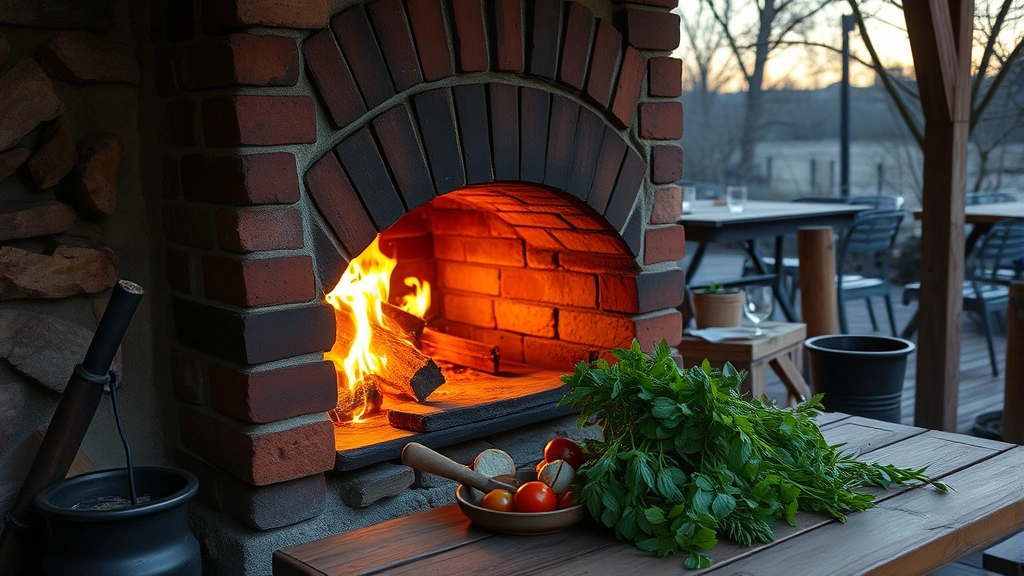
Wood-fired grills represent the most sustainable option when sourced responsibly. Sustainably harvested wood from managed forests recycles carbon already atmospheric, creating closed-loop systems. Many environmental sustainability examples highlight regenerative forestry practices that improve ecosystem health while providing cooking fuel. Professional chefs increasingly embrace wood-fired cooking for both culinary and environmental credentials.
Charcoal sourced from sustainable forestry offers similar advantages, though with lower efficiency. Biochar production—converting agricultural waste into cooking charcoal—creates particularly sustainable options. This process captures carbon, prevents methane emissions from decomposing waste, and produces functional fuel simultaneously. Some progressive restaurants now feature biochar grilling as signature sustainable practice.
Solar grills represent emerging technology, though currently limited by weather dependence and cooking speed. Parabolic solar cookers achieve impressive temperatures without any emissions, making them ideal for specific applications. However, their impracticality for typical American grilling culture limits mainstream adoption currently.
Hybrid approaches combining multiple fuel sources offer flexibility. Professional kitchens increasingly install multi-fuel grills enabling seasonal adjustments—wood-fired in cooler months when outdoor cooking extends naturally, gas during shoulder seasons for convenience. This pragmatic approach recognizes that sustainability sometimes requires compromise between ideal environmental choices and practical lifestyle integration.
Professional Chef Recommendations
Leading sustainable chefs emphasize intentionality over perfection. Rather than abandoning gas grills entirely, they recommend conscious consumption patterns. Chefs like Alice Waters and other sustainability advocates suggest concentrating grilling into deliberate cooking sessions rather than casual frequent use. A monthly gathering grilled sustainably produces less impact than weekly solo grilling regardless of fuel source.
Professional recommendations focus on maximizing efficiency when gas grilling occurs. Preheating properly, using lids to retain heat, and cooking multiple items simultaneously reduce per-meal emissions substantially. Chefs note that thoughtful meal planning—preparing larger quantities for preservation and reuse—multiplies the environmental benefit of each grilling session.
Many acclaimed chefs now source gas from providers offering renewable options or carbon offset programs. Green technology innovations increasingly enable carbon-neutral gas delivery through verified offset programs. While imperfect, this represents practical progress within existing infrastructure constraints.
Expert chefs also emphasize ingredient sourcing as equivalent to fuel choice. Grilling locally-raised, sustainably-produced proteins with vegetable accompaniments from regional farms creates environmental synergy. The cooking method becomes secondary to comprehensive food system sustainability. This holistic perspective recognizes that perfect equipment choices matter less than overall dietary patterns.
Optimization Strategies for Eco-Conscious Grilling
Extend Equipment Lifespan: Proper maintenance dramatically reduces lifecycle environmental impact. Regular cleaning, rust prevention, and component replacement extend grill life 15-20+ years. This simple practice reduces per-use environmental cost more effectively than equipment replacement cycles.
Maximize Cooking Efficiency: Always use grill covers, avoid opening lids unnecessarily, and arrange foods strategically to minimize energy waste. These behavioral modifications cost nothing while meaningfully reducing fuel consumption per meal.
Investigate Renewable Gas Options: Contact local utility providers about renewable natural gas programs, biogas availability, or carbon offset options. U.S. Department of Energy resources identify renewable gas initiatives by region.
Transition Gradually: Rather than immediately replacing functional gas grills, plan transitions toward sustainable alternatives. When replacement becomes necessary, prioritize wood-fired or electric options aligned with sustainable energy solutions principles.
Combine with Sustainable Practices: Use grilling strategically within broader sustainable food systems. Source ingredients from local farms, practice seasonal eating, and minimize food waste. These complementary practices amplify environmental benefits beyond fuel choice alone.
Invest in Quality Equipment: Premium grills with superior insulation and heat retention outperform budget models significantly. The higher initial investment pays environmental dividends through reduced lifetime fuel consumption.
FAQ
Are gas grills more eco-friendly than charcoal?
Yes, regarding efficiency and emissions per meal. Gas grills convert 70-80% of fuel energy to heat versus 40-50% for charcoal, requiring less fuel overall. However, charcoal sourced from sustainable forestry offers renewable advantages gas cannot match. The optimal choice depends on fuel sourcing and regional considerations.
What’s the carbon footprint of one grilling session?
A typical gas grill session lasting one hour produces approximately 5-7 kilograms of CO2 equivalent, including direct combustion and upstream extraction/processing. This varies significantly based on grill size, temperature settings, and fuel source (renewable versus conventional natural gas).
Should I replace my gas grill with electric?
Not necessarily immediately. If your grill functions properly, maintaining it extends its lifecycle and reduces environmental impact relative to manufacturing new equipment. Plan for eventual transition to electric when powered by renewable electricity or wood-fired alternatives when replacement becomes necessary.
Can renewable natural gas make grilling sustainable?
Renewable or biogas options significantly improve gas grill sustainability by recycling waste-derived carbon. However, availability remains limited geographically. Research your utility provider’s offerings and consider advocating for expanded renewable gas programs in your region.
How does grilling compare to other cooking methods environmentally?
Grilling efficiency exceeds most indoor cooking methods. Oven cooking wastes substantial heat into home interiors, increasing cooling loads in summer. Grilling’s outdoor heat rejection makes it relatively efficient, particularly when multiple items cook simultaneously, amortizing fuel consumption across larger meals.
What’s the most sustainable grilling approach?
Wood-fired grilling using sustainably harvested fuel from managed forests represents the most sustainable option currently available. Alternatively, transitioning to electric grills powered by renewable electricity creates zero direct emissions. Both require equipment investment but offer superior long-term environmental performance compared to gas.


