Gas Stoves and Sustainability: An Expert’s Take
Gas stoves have long been a staple in kitchens worldwide, prized for their instant heat and precise temperature control. However, as we deepen our understanding of environmental impact and climate change, the sustainability of gas cooking deserves serious examination. This comprehensive guide explores the ecological implications of gas stoves, their role in household emissions, and what alternatives exist for environmentally conscious consumers.
The debate surrounding gas stoves extends beyond simple cooking preferences—it touches on energy consumption, indoor air quality, climate commitments, and the broader transition toward sustainable living. Understanding the full picture helps homeowners make informed decisions aligned with both their values and the planet’s future.
Environmental Impact of Gas Stoves
Gas stoves represent a significant portion of household energy consumption, particularly in developed nations. According to research from the Environmental Protection Agency, residential cooking accounts for approximately 5-6% of total household energy use, with gas stoves consuming natural gas that must be extracted, processed, and transported. Each step in this supply chain carries environmental costs.
The production and distribution of natural gas involves methane leakage—a greenhouse gas approximately 28-34 times more potent than carbon dioxide over a century timeframe. When you understand the complete lifecycle of gas stove energy, from extraction through combustion, the environmental footprint becomes considerably larger than the point-of-use emissions alone. This aligns with the broader principles outlined in our guide to definition of sustainability, which emphasizes considering full system impacts.
Additionally, the infrastructure supporting gas stoves—pipelines, storage facilities, and distribution networks—requires substantial land use and capital investment. Many communities are now questioning whether continued investment in gas infrastructure serves long-term sustainability goals, especially as renewable energy alternatives become increasingly viable.

Emissions and Climate Considerations
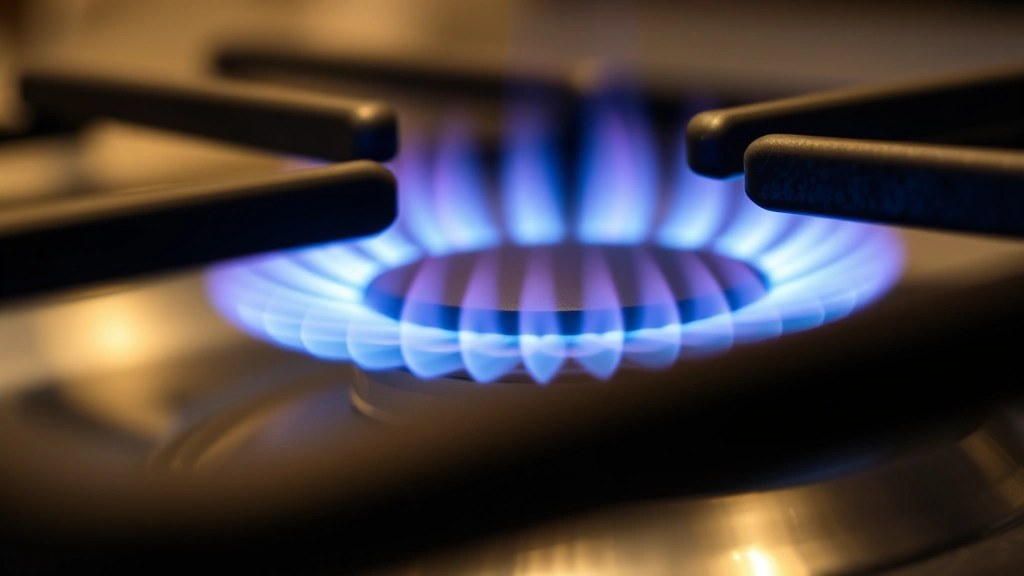
When combusting natural gas in your kitchen, gas stoves release carbon dioxide and other pollutants directly into your home. A typical gas stove produces approximately 5 kilograms of carbon dioxide per year from direct use, though this figure varies based on usage patterns. However, this calculation doesn’t account for upstream emissions from gas extraction and distribution.
The climate impact becomes more apparent when scaled across millions of households. In the United States alone, approximately 38 million homes use gas stoves. Collectively, this represents millions of tons of CO2 equivalent emissions annually. As nations commit to net-zero targets and climate action plans, residential cooking represents a meaningful opportunity for emissions reduction.
Understanding these climate implications connects directly to principles of sustainability, which emphasize long-term environmental stewardship. The International Energy Agency has identified residential sector improvements, including cooking technology upgrades, as essential components of global climate mitigation strategies.
Recent research from the Intergovernmental Panel on Climate Change highlights that transitioning away from fossil fuel-based appliances in residential settings could contribute meaningfully to climate stabilization efforts. Gas stoves represent one of the most straightforward conversions available to households seeking to reduce their carbon footprint.
Indoor Air Quality and Health Concerns
Beyond climate considerations, gas stoves present indoor air quality challenges that directly affect household health. Combustion of natural gas releases nitrogen dioxide (NO2), a respiratory irritant that can exacerbate asthma and other respiratory conditions. Studies have documented that homes with gas stoves experience NO2 levels that sometimes exceed outdoor pollution standards.
Children and individuals with pre-existing respiratory conditions face elevated health risks from prolonged exposure to gas stove emissions. The Centers for Disease Control and Prevention acknowledges indoor air quality from cooking appliances as a public health consideration, particularly in homes without adequate ventilation.
When considering environmental sustainability examples, improving indoor air quality through appliance choices represents a practical, immediate action. Sustainable living encompasses not only environmental protection but also personal and family wellness—creating healthier homes through conscious technology choices.
Proper ventilation can mitigate some risks, but many homes lack adequate exhaust systems. Even with ventilation, some pollutants remain in the breathing zone during cooking. This indoor air quality dimension adds another layer to the gas stove sustainability discussion beyond purely climate considerations.
Energy Efficiency Comparison
From a pure energy efficiency standpoint, gas stoves operate at approximately 70-75% efficiency, meaning roughly one-quarter of the energy produced is lost as heat. Electric resistance coil stoves achieve similar efficiency rates. However, induction cooktops demonstrate superior efficiency at 85-90%, with less wasted heat and faster cooking times.
When examining the complete energy picture, electric cooking powered by renewable sources dramatically outperforms gas in sustainability metrics. As electrical grids increasingly incorporate wind, solar, and hydroelectric generation, the environmental advantage of electric cooking grows stronger annually. Our comprehensive guide to sustainable energy solutions explores how clean electricity represents the future of household energy.
The efficiency comparison becomes even more favorable for electric options when considering grid decarbonization trends. In regions with high renewable energy penetration, electric stoves powered by clean electricity far exceed gas stoves’ environmental performance. Even in areas with mixed energy sources, electric stoves typically produce fewer lifetime emissions than gas alternatives.
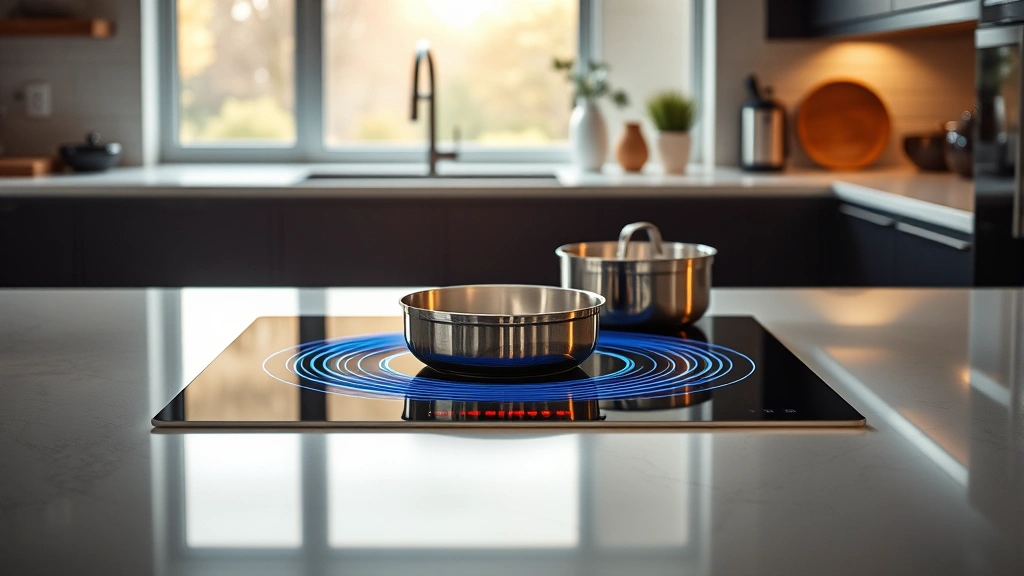
Induction technology offers particular advantages: it heats cookware directly rather than surrounding air, reducing energy waste. Cooking times decrease significantly, and heat control improves. For sustainability-minded households, induction cooktops represent the current gold standard for cooking technology, combining efficiency with environmental responsibility.
Sustainable Cooking Alternatives
Several compelling alternatives to gas stoves exist for environmentally conscious households. Each option presents distinct advantages and considerations:
- Induction Cooktops: The most efficient cooking technology available, induction uses electromagnetic fields to heat cookware directly. These cooktops operate at 85-90% efficiency, heat faster than gas, and offer precise temperature control. The primary consideration involves cookware compatibility—ferromagnetic pots and pans are required.
- Electric Resistance Coils: Traditional electric coil stoves offer lower upfront costs than induction while providing solid efficiency. They work with all cookware types and represent an accessible transition option for budget-conscious households.
- Smooth-Top Electric: These glass cooktops combine aesthetic appeal with solid performance. They’re easier to clean than coil stoves and offer moderate efficiency improvements over traditional coils.
- Hybrid Approaches: Some households combine gas with electric elements or consider portable induction burners alongside existing gas stoves, allowing gradual transitions.
Selecting the right alternative depends on your current infrastructure, budget, cooking preferences, and long-term sustainability goals. Our guide on how to reduce your environmental footprint provides additional context for making household technology decisions aligned with sustainability principles.
Making the Transition
Transitioning away from gas stoves needn’t happen overnight. Consider these practical strategies for moving toward more sustainable cooking:
- Assess Your Timeline: Determine whether you’ll replace your stove immediately or wait until the current unit requires replacement. Premature replacement of functioning appliances carries its own environmental costs, though the long-term benefits of electric cooking typically outweigh these considerations.
- Evaluate Electrical Infrastructure: Confirm your home’s electrical capacity can support electric cooking. Upgrading electrical service may be necessary, representing a significant investment that affects transition feasibility.
- Research Local Incentives: Many jurisdictions offer rebates, tax credits, or utility incentives for transitioning from gas to electric appliances. These programs can substantially reduce upgrade costs and accelerate the financial payback period.
- Consider Cookware Compatibility: If choosing induction, assess your existing cookware. Induction-compatible cookware may require investment, though this cost spreads over many years of use.
- Test Before Committing: Portable induction burners allow experiencing induction cooking before making permanent changes. This testing period helps confirm the cooking style suits your preferences and household needs.
- Explore green technology innovations: Stay informed about emerging cooking technologies and improvements in electric cooking performance.
The transition toward sustainable cooking aligns with broader household sustainability efforts. Combining stove upgrades with other efficiency improvements—insulation, HVAC optimization, solar installation—creates comprehensive home sustainability transformations.
Financial considerations matter in real-world decision-making. Calculate the payback period for electric stove upgrades based on your local electricity and gas prices. In many regions, the combination of improved efficiency, lower operating costs, and available incentives creates compelling financial cases for transition, even before accounting for environmental benefits.
FAQ
Are gas stoves being banned?
Several jurisdictions have implemented or proposed restrictions on new gas stove installations in residential buildings, particularly in California and New York. These policies aim to accelerate transitions toward electric cooking and align building codes with climate goals. However, widespread bans on existing gas stoves remain uncommon, though this landscape evolves as climate policies advance.
What are the health risks of gas stoves?
Gas stoves release nitrogen dioxide and other combustion byproducts that can irritate respiratory systems. Children and individuals with asthma face elevated risks. Adequate ventilation reduces but doesn’t eliminate these concerns. Electric alternatives eliminate direct indoor combustion and associated air quality impacts.
How much does it cost to replace a gas stove?
Electric stove replacement costs typically range from $800-$3,500 depending on stove type and quality. Induction cooktops generally cost more than resistance coils. Installation expenses vary based on existing electrical infrastructure and necessary upgrades. Many incentive programs reduce net costs substantially.
Can I use my existing cookware with induction cooktops?
Induction requires ferromagnetic cookware. You can test existing pans using a magnet—if it sticks, the cookware works with induction. Many households find they need to purchase new cookware, though this investment spreads over many years of use. Hybrid cooktops combining induction and resistance elements offer flexibility during transitions.
What’s the environmental impact of manufacturing electric stoves?
Manufacturing any appliance carries environmental costs through resource extraction, production, and transportation. However, lifecycle analyses consistently demonstrate that electric stoves powered by increasingly clean electrical grids produce substantially fewer lifetime emissions than gas alternatives, even accounting for manufacturing impacts.
How does gas stove sustainability relate to overall home energy use?
Cooking represents 5-6% of household energy consumption, making stove upgrades one component of comprehensive home sustainability. Combining stove transitions with insulation improvements, HVAC optimization, and renewable energy integration creates maximum environmental impact and cost savings.