Is a Gas Leak Detector Essential? Safety Insights
Natural gas is a widely used energy source for heating, cooking, and powering appliances in millions of homes and businesses worldwide. While it’s an efficient fuel, natural gas is colorless and odorless in its natural state, making leaks invisible and potentially dangerous without proper detection. A gas leak detector serves as a critical safety device that identifies the presence of hazardous gas before it reaches dangerous concentrations. Understanding whether this device is essential for your home or business requires examining safety risks, regulatory requirements, and the role of detection technology in modern home safety.
The question isn’t simply whether gas leak detectors are useful—it’s whether they should be considered mandatory for anyone using natural gas. Industry experts, safety organizations, and environmental agencies increasingly recommend these devices as fundamental components of home safety infrastructure, alongside smoke detectors and carbon monoxide alarms. This comprehensive guide explores the necessity of gas leak detectors, their functionality, installation requirements, and how they contribute to both personal safety and environmental protection.
Understanding Natural Gas and Its Risks
Natural gas is primarily composed of methane, a hydrocarbon that burns cleanly compared to other fossil fuels. However, this efficiency doesn’t eliminate the inherent risks associated with gas leaks. When natural gas escapes from pipes, appliances, or storage containers, it creates multiple hazards that affect human health, property safety, and environmental integrity.
The risks of natural gas leaks extend beyond immediate explosion dangers. Accumulated gas in enclosed spaces can displace oxygen, creating asphyxiation hazards. Additionally, natural gas suppliers add mercaptan, a chemical odorant, to help people detect leaks through smell. However, this olfactory warning system isn’t foolproof—some individuals have diminished sense of smell, children may not recognize the odor, and gas concentration levels can sometimes reach dangerous levels before the smell becomes noticeable. This is where technology becomes essential, making a gas leak detector an important safety investment.
Understanding the broader context of gas safety requires examining how natural gas fits into our energy landscape. While we work toward sustainable energy solutions, many households and businesses still depend on natural gas infrastructure. During this transition period, ensuring the safety of existing systems through proper detection and monitoring is critical to preventing accidents and reducing unnecessary emissions.
How Gas Leak Detectors Work
Gas leak detectors employ various technological approaches to identify the presence of natural gas in the air. Understanding these mechanisms helps homeowners and business operators choose appropriate devices for their specific needs.
Catalytic Bead Sensors: These detectors use two small ceramic beads coated with a catalyst. When combustible gases come into contact with the heated bead, they oxidize, causing a change in electrical resistance. This resistance change triggers an alarm when gas concentration exceeds safe thresholds. These sensors are reliable, cost-effective, and widely used in residential applications.
Infrared Sensors: Advanced detectors use infrared technology to measure gas absorption. These sensors can identify specific gas types and provide more precise readings than catalytic bead detectors. They’re particularly valuable in commercial or industrial settings where multiple gas types might be present.
Electrochemical Sensors: These detectors use a chemical reaction when exposed to gas, generating an electrical signal proportional to gas concentration. They’re highly sensitive and useful for detecting even small leaks early in their development.
Most residential gas leak detectors operate on battery power or plug into standard electrical outlets. Modern units include digital displays showing gas concentration levels in parts per million (PPM), audible alarms that activate at preset thresholds, and some models feature smartphone connectivity for remote monitoring. The effectiveness of any detector depends on proper placement and regular maintenance, which we’ll explore in detail later in this guide.
Safety Standards and Regulations
Regulatory bodies worldwide recognize the importance of gas safety equipment in protecting public health. In the United States, the Environmental Protection Agency (EPA) and the Consumer Product Safety Commission (CPSC) establish guidelines for gas detection equipment. Many states and municipalities have incorporated gas detector requirements into building codes, particularly for new construction and major renovations.
The National Fuel Gas Code, established by the American National Standards Institute (ANSI), provides comprehensive standards for gas systems and safety equipment. While federal law doesn’t mandate gas leak detectors in all residential settings, numerous local jurisdictions require them, especially in areas with high gas usage or identified safety concerns. Renters, homeowners, and business operators should consult their local building department or gas utility company to understand specific requirements in their area.
Beyond regulatory requirements, industry best practices recommend gas detectors as essential safety equipment. Insurance companies increasingly offer premium discounts for homes equipped with certified gas detection systems, recognizing that these devices significantly reduce accident risks. This economic incentive, combined with safety considerations, makes investing in a quality gas leak detector a prudent decision for most gas-dependent households.
Connecting gas safety to broader sustainability principles, we recognize that sustainability encompasses environmental, social, and economic dimensions. Proper gas safety equipment protects community health and reduces emergency response burdens on public resources, contributing to long-term societal sustainability.
Health Hazards of Gas Leaks
The health consequences of natural gas exposure vary depending on concentration levels, duration of exposure, and individual vulnerability factors. Understanding these hazards emphasizes why detection technology is essential for protecting household members.
Asphyxiation: In high concentrations, natural gas displaces oxygen in the breathing environment. Unlike oxygen, natural gas cannot sustain human respiration. Prolonged exposure in poorly ventilated spaces can lead to oxygen deprivation, causing unconsciousness and potentially death. This risk is particularly acute in basements, crawl spaces, and other areas with limited air circulation.
Carbon Monoxide Production: When natural gas burns incompletely due to equipment malfunction or improper ventilation, it produces carbon monoxide (CO), a deadly colorless, odorless gas. Carbon monoxide poisoning causes headaches, dizziness, confusion, and can be fatal at high concentrations. While carbon monoxide detectors provide additional protection, preventing gas leaks through early detection remains the first line of defense.
Combustion and Explosion Risks: Natural gas is highly flammable. When mixed with air in concentrations between 5 and 15 percent, it becomes explosive. Any ignition source—including static electricity, electrical sparks, or open flames—can trigger explosions causing severe injuries, property damage, and fatalities. A gas leak detector identifies dangerous concentrations before they accumulate to explosive levels.
Neurological Effects: Chronic low-level exposure to natural gas or its additives may cause neurological symptoms including headaches, memory problems, and difficulty concentrating. While acute poisoning is more commonly documented, long-term exposure effects warrant precautionary measures.
Vulnerable Populations: Children, elderly individuals, and people with respiratory conditions face heightened vulnerability to gas exposure. Young children have faster respiratory rates and developing immune systems, while elderly individuals may have reduced olfactory sensitivity. These populations benefit significantly from technological detection systems that don’t rely on sensory perception.
Installation and Placement Considerations
A gas leak detector’s effectiveness depends critically on proper installation and strategic placement throughout the home or business. Simply purchasing a detector isn’t sufficient; understanding optimal placement and installation procedures ensures maximum protection.
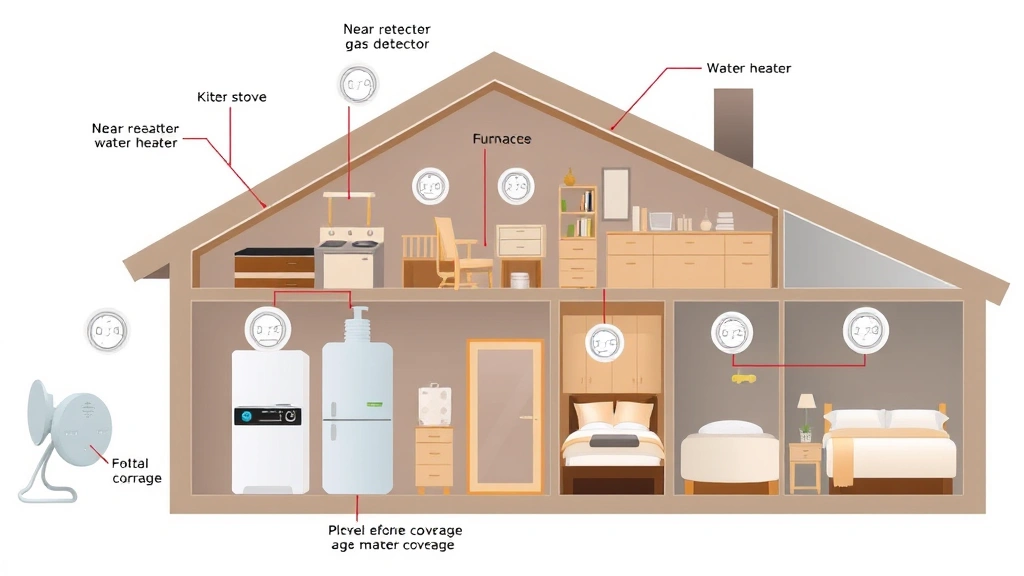
Kitchen Placement: Install detectors near the stove and other cooking appliances where gas leaks most commonly occur. Position detectors at least 6-12 inches away from cooking surfaces to avoid false alarms from normal cooking combustion. Ensure proper ventilation around the detector to allow air circulation and accurate gas sampling.
Appliance Areas: Install detectors near water heaters, furnaces, and other gas-powered appliances. These devices require regular maintenance and can develop leaks over time. Detectors placed within 10-15 feet of major appliances provide early warning of equipment failures.
Basement and Crawl Space Installation: Since natural gas can accumulate in lower areas due to its tendency to concentrate in poorly ventilated spaces, install detectors at or near floor level in basements and crawl spaces. These areas often lack adequate air circulation, making them particularly hazardous during leaks.
Garage Considerations: If your garage contains gas appliances or serves as a storage area for gas containers, install detectors in these spaces. Garages typically have minimal ventilation and can quickly accumulate dangerous gas concentrations.
Height and Mounting: Most catalytic bead detectors work best when mounted on walls or ceilings, as they’re calibrated to sample air at various heights. Infrared and electrochemical sensors may have different optimal placement recommendations—consult manufacturer specifications for your specific detector model.
Avoid Problematic Locations: Don’t install detectors near windows, doors, or exhaust fans where drafts could disperse gas before detection. Avoid areas with excessive moisture, extreme temperatures, or high concentrations of other gases that might interfere with sensor accuracy.
Types of Gas Leak Detectors Available
The gas detection equipment market offers diverse options designed for different applications, budgets, and technical requirements. Understanding available types helps you select the most appropriate detector for your situation.
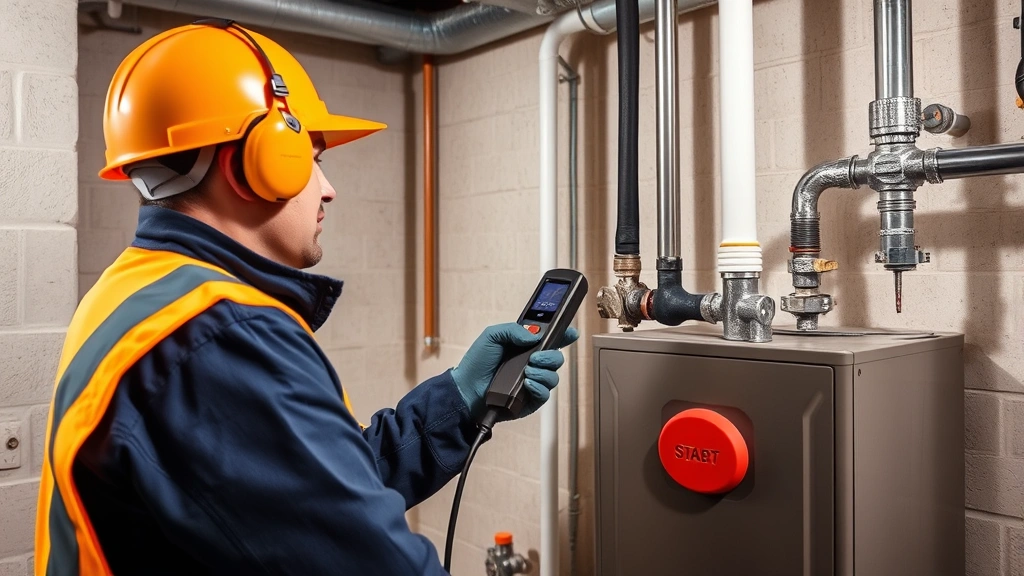
Portable Handheld Detectors: These battery-powered devices allow users to conduct manual inspections of appliances and piping systems. Professionals frequently use handheld detectors during maintenance calls to identify small leaks before they become dangerous. Homeowners can purchase affordable handheld models for periodic safety checks, though they require active use rather than continuous monitoring.
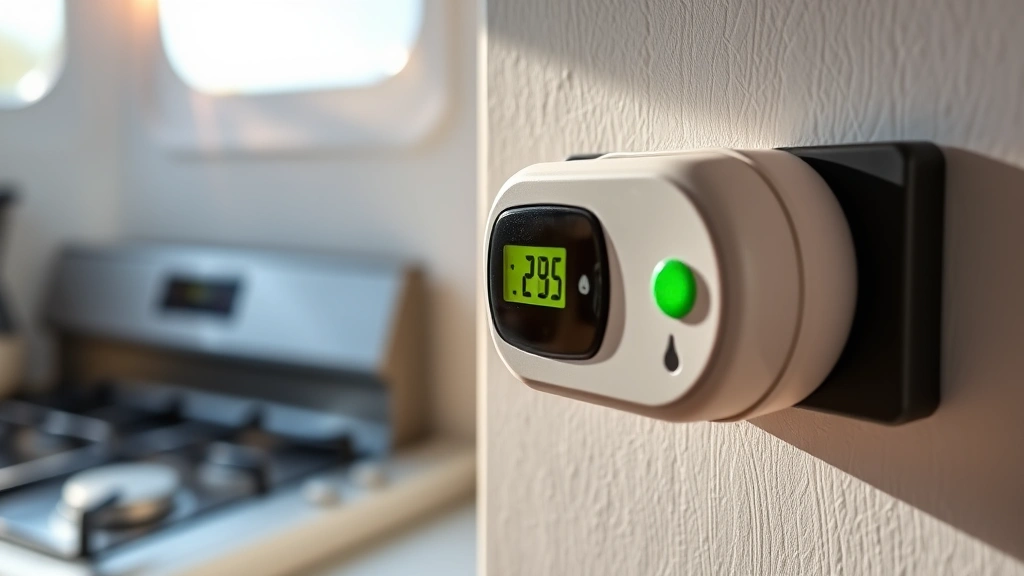
Fixed Wall-Mounted Detectors: These permanently installed units provide continuous monitoring without user intervention. Wall-mounted detectors connect to electrical outlets and include audible alarms and digital displays. They’re ideal for kitchens and areas where gas appliances concentrate. Most include battery backup to maintain function during power outages.
Smart Connected Detectors: Modern detectors integrate with home automation systems, sending smartphone alerts when gas is detected. These systems allow remote monitoring and often include companion apps displaying real-time gas concentration levels. Smart detectors represent premium pricing but offer enhanced convenience and peace of mind for tech-savvy homeowners.
Combination Detectors: Some units detect multiple hazards simultaneously, combining natural gas detection with carbon monoxide sensing and smoke detection. These integrated systems streamline home safety infrastructure and reduce the number of devices requiring maintenance.
Commercial and Industrial Detectors: Heavy-duty detectors designed for commercial kitchens, warehouses, and industrial facilities offer more robust sensors, higher sensitivity thresholds, and enhanced reliability for demanding environments. These professional-grade devices often include data logging capabilities and network connectivity for facility-wide monitoring.
Environmental Impact of Gas Leaks
While immediate safety concerns dominate discussions about gas leaks, the environmental consequences deserve equal attention. Understanding these broader impacts reinforces the importance of leak detection from a sustainability perspective.
Methane Emissions: Natural gas is primarily methane, a potent greenhouse gas with global warming potential approximately 25-28 times greater than carbon dioxide over a 100-year period. Residential and commercial gas leaks contribute significantly to atmospheric methane concentrations. A gas leak detector helps prevent emissions that would otherwise accumulate in the atmosphere, supporting climate change mitigation efforts.
Climate Change Contribution: According to EPA greenhouse gas emissions data, methane from natural gas systems represents a substantial portion of anthropogenic greenhouse gas emissions. Preventing leaks through early detection directly reduces climate impact and aligns with global climate commitments.
Air Quality Degradation: Gas leaks can affect indoor and outdoor air quality. Combustion byproducts from unburned gas, combined with additives and contaminants, degrade air quality in enclosed spaces. Poor air quality affects respiratory health and contributes to broader environmental pollution patterns.
Ecosystem Effects: Methane leaks, while primarily an atmospheric concern, contribute to environmental degradation affecting ecosystems globally. By implementing strategies to reduce your environmental footprint, including proper gas safety equipment, individuals contribute to ecosystem preservation.
The International Energy Agency (IEA) has emphasized that reducing methane emissions from energy systems represents one of the fastest, most cost-effective climate change mitigation strategies available. Individual actions like installing gas leak detectors aggregate into meaningful environmental protection when adopted widely across communities.
Maintenance and Testing Protocols
Installing a gas leak detector represents only the first step in comprehensive gas safety. Regular maintenance and testing ensure detectors remain functional and capable of identifying leaks when they occur.
Monthly Testing: Conduct monthly tests of detector alarms by pressing the test button. Most detectors include dedicated test buttons that simulate gas detection without actual gas exposure. If the alarm doesn’t sound during testing, replace batteries immediately and consult the manufacturer if problems persist.
Battery Replacement: Replace batteries according to manufacturer recommendations, typically every 6-12 months. Battery failure represents the most common cause of detector malfunction. Mark replacement dates on your calendar or set smartphone reminders to ensure consistent maintenance.
Sensor Lifespan: Most gas detector sensors have limited lifespans, typically 3-7 years depending on technology and environmental conditions. Consult your detector’s manual for specific sensor replacement schedules. Some detectors indicate when sensors approach end-of-life through indicator lights or audible signals.
Professional Inspections: Schedule annual inspections of your gas system and detectors with qualified technicians. Professional inspections identify potential issues before they become dangerous and verify that detectors are functioning optimally. Many gas utility companies offer free or discounted inspection services.
Cleaning and Maintenance: Keep detectors free from dust and debris that can interfere with sensor function. Gently wipe detector surfaces monthly with a dry cloth. Avoid using harsh chemicals that might damage components or affect sensor accuracy.
Documentation: Maintain records of all maintenance activities, battery replacements, and professional inspections. This documentation proves compliance with safety requirements and helps identify patterns of detector issues or system problems.
Integrating Detectors with Sustainable Practices
Gas leak detection fits into broader sustainability frameworks by protecting both individual health and environmental quality. Understanding these connections demonstrates how personal safety choices contribute to larger sustainability goals.
The principles of sustainability emphasize balancing immediate needs with long-term environmental and social wellbeing. Gas leak detection embodies this philosophy by addressing current safety requirements while reducing environmental harm through leak prevention.
Transition to Renewable Energy: While natural gas remains prevalent in many communities, individuals can integrate gas safety measures with plans to transition toward renewable energy sources. Installing gas detectors in existing systems demonstrates responsible stewardship of current infrastructure while supporting movement toward green technology innovations that will eventually eliminate gas dependency.
Community Resilience: Widespread adoption of gas leak detection improves community resilience by reducing accident rates and emergency response burdens. Safer gas systems mean fewer incidents requiring emergency services, reducing resource consumption and improving public health outcomes.
Environmental Responsibility: Implementing gas detection technology demonstrates personal commitment to environmental protection. Preventing methane emissions, even at individual household levels, contributes meaningfully to climate change mitigation when adopted broadly. This aligns with environmental sustainability examples showing practical ways to protect our planet.
Long-term Cost Savings: Gas leak detection prevents expensive emergency repairs, property damage, and health complications. These economic benefits support financial sustainability for individuals and households, allowing resources to be directed toward other sustainability initiatives.
Lifecycle Thinking: Selecting high-quality detectors with long operational lifespans reduces electronic waste and resource consumption compared to frequently replacing inferior models. Prioritizing durable equipment reflects lifecycle thinking principles central to sustainability philosophy.
FAQ
Are gas leak detectors required by law?
Requirements vary by location. Many municipalities incorporate gas detector requirements into building codes, particularly for new construction. Some states mandate them in rental properties. Check with your local building department or gas utility company to understand specific requirements in your area. Regardless of legal requirements, safety experts recommend detectors for all homes using natural gas.
How often should I replace gas detector sensors?
Most sensors last 3-7 years depending on detector type and environmental conditions. Consult your detector’s manual for specific replacement schedules. Many modern detectors indicate when sensors approach end-of-life through indicator lights or audible alerts. Replacing sensors according to manufacturer recommendations ensures continued detector effectiveness.
Can I install a gas leak detector myself?
Yes, most residential gas leak detectors are designed for self-installation. Follow manufacturer instructions carefully, paying particular attention to placement recommendations and electrical requirements. However, professional installation may be preferable for permanent wall-mounted units, especially if electrical work is involved. Consider hiring professionals if you’re uncertain about installation procedures.
What should I do if my gas detector alarm sounds?
If your gas leak detector alarm sounds, immediately evacuate the building and move to a safe location outdoors. Call your gas utility company’s emergency line from outside the building. Don’t use electrical switches, phones, or other potential ignition sources inside the building. Don’t re-enter until utility company personnel confirm the building is safe.
Do smart gas detectors provide better protection than standard models?
Smart detectors offer enhanced convenience through remote monitoring and smartphone alerts, but protection quality depends on sensor technology rather than connectivity features. Both smart and standard detectors can provide excellent protection when properly installed and maintained. Choose based on your preferences for convenience and monitoring features rather than assuming smart features enhance safety.
Can I use one gas detector for my entire home?
A single detector provides limited coverage. Most safety experts recommend multiple detectors, particularly near kitchens, appliances, bedrooms, and other frequently occupied areas. Homes with multiple stories should include detectors on each level. The specific number depends on home size, layout, and gas appliance locations. Consult manufacturer guidelines and local safety recommendations for your situation.
How much do gas leak detectors cost?
Prices range from $20-30 for basic portable detectors to $100-300 for advanced smart models with multiple sensors. Professional-grade detectors cost significantly more. Budget considerations should balance cost against safety priorities. Most homeowners find that modest investments in quality detectors provide excellent value considering the protection they offer.


