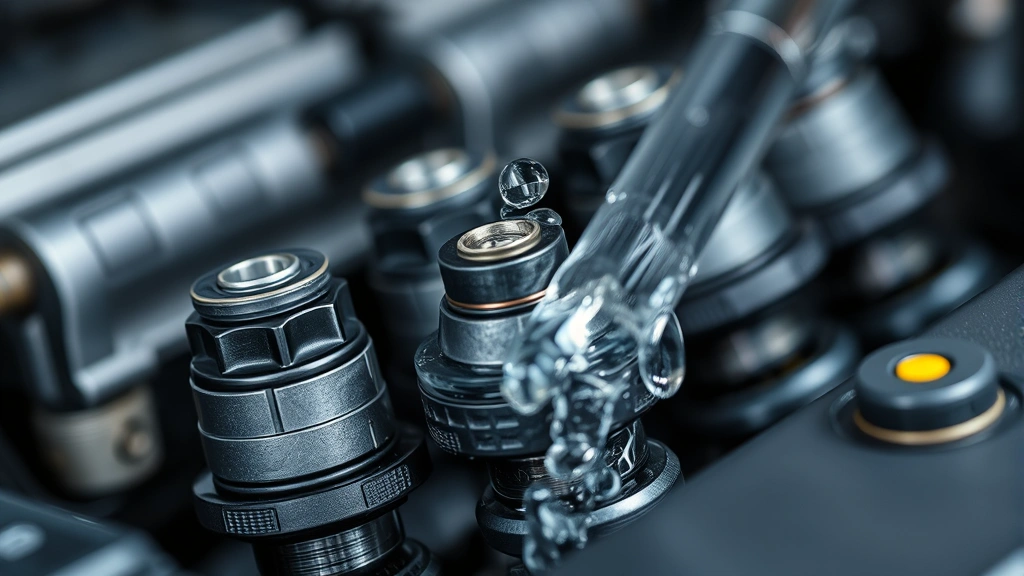
Does Lucas Gas Treatment Work? Comprehensive User Reviews and Analysis
Lucas Gas Treatment has been a staple in the automotive maintenance industry for decades, claiming to improve fuel efficiency, engine performance, and overall vehicle health. But does it actually deliver on these promises? This comprehensive guide examines real user experiences, scientific evidence, and expert opinions to help you determine whether Lucas Gas Treatment is worth your investment.
With countless products flooding the market promising miraculous engine improvements, it’s essential to separate fact from marketing hype. We’ll explore what Lucas Gas Treatment claims to do, analyze user reviews from various sources, and discuss how it compares to other fuel additives on the market. Whether you’re experiencing engine knocking, poor fuel economy, or just want preventative maintenance, this article will provide the insights you need to make an informed decision.
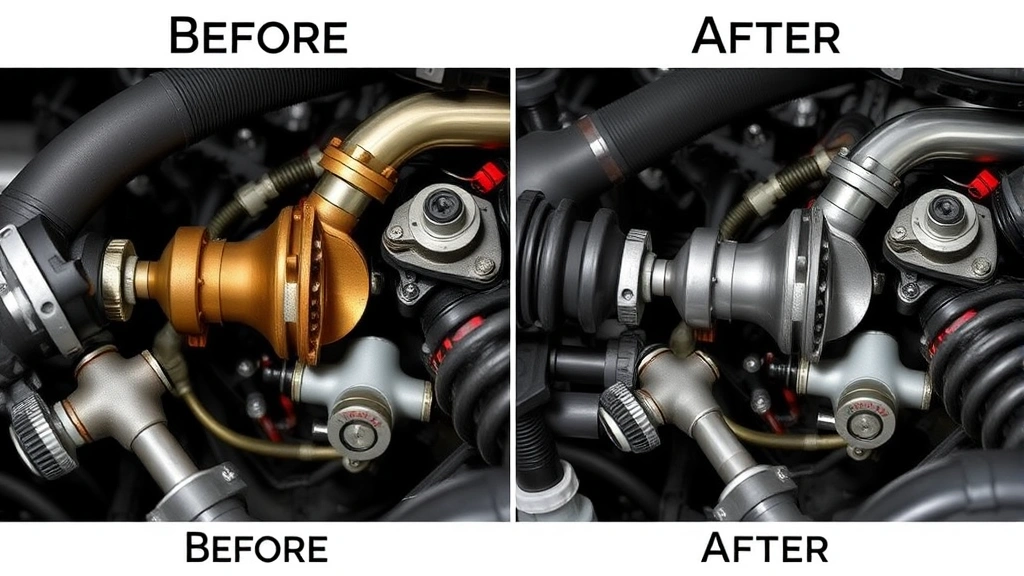
What Is Lucas Gas Treatment?
Lucas Gas Treatment is a fuel additive product manufactured by Lucas Oil Products, a company known for producing various automotive lubricants and treatments. The product is designed to be mixed directly into your vehicle’s fuel tank to enhance engine performance and efficiency. It comes in liquid form and is typically added before refueling at your local gas station.
The product line includes several variants, each targeting different engine types and concerns. Standard Lucas Gas Treatment works with most gasoline engines, while specialized versions exist for diesel engines and high-performance vehicles. The active ingredients are proprietary, but the company claims they work to clean fuel injectors, improve combustion efficiency, and reduce harmful deposits that accumulate over time.
Lucas Oil Products has been in business since 1989 and has built a reputation in the automotive aftermarket industry. Their gas treatment products are widely available at auto parts stores, online retailers, and some gas stations across North America. The product is relatively affordable, typically costing between $5-$15 per bottle depending on the retailer and specific formulation.

How Does It Work?
According to Lucas Oil Products, their gas treatment works through a combination of detergent compounds and friction modifiers that attach themselves to fuel system components. The primary mechanism involves cleaning and protecting fuel injectors, which are critical for precise fuel delivery and engine combustion. When fuel injectors become clogged or dirty, they can cause various engine problems including rough idling, poor acceleration, and decreased fuel economy.
The treatment claims to dissolve carbon deposits and varnish buildup that naturally accumulates in fuel systems over time. Modern gasoline already contains some detergents due to EPA regulations, but Lucas argues that their formulation provides additional cleaning power beyond what standard fuel offers. The product also contains friction-reducing additives that supposedly improve the lubrication properties of the fuel, which can help protect fuel pumps and injectors from wear.
When you add Lucas Gas Treatment to your fuel tank, it mixes with your gasoline and circulates through the entire fuel system. As the engine burns the treated fuel, the active ingredients are supposed to work throughout the combustion process, cleaning internal engine components including intake valves, combustion chambers, and fuel injectors. The company suggests using the treatment regularly as preventative maintenance, not just when problems occur.
User Reviews and Real Results
Real-world user experiences with Lucas Gas Treatment vary considerably, which is typical for fuel additives. Many vehicle owners report positive results, while others claim to notice little to no difference. On popular automotive forums and review platforms, you’ll find a mix of testimonials that range from enthusiastic praise to disappointed skepticism.
Positive user experiences often include reports of improved fuel economy, smoother engine operation, and better acceleration. Some users claim their vehicles run noticeably better after using the product consistently over several weeks. Others report that the treatment helped resolve rough idling or hesitation issues they were experiencing. Long-time users frequently mention that regular use of Lucas Gas Treatment has become part of their automotive maintenance routine.
However, negative reviews are equally common. Many users report spending money on the product with no perceivable benefits whatsoever. Some claim their fuel economy remained unchanged, while others state that engine performance didn’t improve despite using the treatment as directed. A notable concern among skeptics is whether any improvements they experienced were simply due to psychological expectation rather than actual product effectiveness.
Professional mechanics and technicians offer mixed opinions as well. Some recommend Lucas Gas Treatment to customers as a cost-effective preventative maintenance solution, while others argue that modern gasoline already contains sufficient detergents for most drivers. Several mechanics suggest that if you’re experiencing fuel system problems, proper diagnosis and targeted repairs are more effective than relying on fuel additives.
Benefits and Claimed Advantages
Lucas Gas Treatment makes several specific claims about its benefits, which are worth examining individually. The company states that the product can improve fuel economy, which would result in cost savings over time. Even a modest improvement of 2-3% could offset the product’s cost, especially for vehicles that consume significant quantities of fuel.
Another claimed benefit involves engine performance enhancement. Users report smoother acceleration, better throttle response, and overall improved drivability. The company suggests that by cleaning fuel injectors and improving combustion efficiency, the engine can produce power more effectively. This is particularly relevant for older vehicles or those with higher mileage, where deposit accumulation is more likely.
The treatment also claims to reduce emissions and help your vehicle meet emissions standards. Cleaner combustion and more efficient fuel burning would theoretically result in lower harmful emissions. This connects to broader environmental sustainability goals, as reducing vehicle emissions contributes to improved air quality and reduced carbon footprint.
Lucas Gas Treatment is marketed as a preventative maintenance solution that can extend the life of your fuel system components. By keeping injectors clean and protecting pump components, the product theoretically reduces the risk of costly repairs down the road. For budget-conscious vehicle owners, this preventative approach appeals to the desire to avoid expensive fuel system repairs.
The product also claims to protect against fuel system corrosion and water contamination, issues that can develop in older vehicles or those exposed to harsh environmental conditions. By adding protective compounds to the fuel, Lucas suggests you’re creating a protective barrier against these common problems.
Potential Drawbacks
While Lucas Gas Treatment has many supporters, there are legitimate concerns and potential drawbacks to consider before purchasing. One significant issue is the lack of independent scientific verification of the product’s claims. While the company provides testimonials and marketing materials, independent laboratory testing is limited, making it difficult to verify performance claims objectively.
Some automotive experts argue that modern gasoline already contains adequate detergents mandated by the EPA’s fuel quality regulations. These regulations require fuel manufacturers to include detergents that keep fuel injectors clean. According to this perspective, additional aftermarket treatments may provide minimal additional benefit for most drivers using quality fuel from reputable stations.
Another concern involves cost-benefit analysis. While individual bottles are inexpensive, regular use as recommended by the manufacturer can add up over time. If the product provides only modest improvements or no noticeable benefits in your specific vehicle, the cumulative cost may not be justified. This is especially true if your vehicle is newer and already equipped with advanced fuel injection systems that handle deposits effectively.
Some users have reported that Lucas Gas Treatment didn’t resolve their specific engine problems, leading to wasted money and delayed proper diagnosis and repair. If you’re experiencing serious engine issues, relying on a fuel additive instead of professional diagnostics could allow problems to worsen and become more expensive to fix.
There’s also the consideration of whether the product is truly necessary for regular maintenance. Many mechanics recommend that proper driving habits, using quality fuel, and following manufacturer-recommended service intervals are sufficient for most vehicles. Adding extra products to this routine might be unnecessary if your current approach is already working well.
Comparison with Competitors
The fuel additive market includes numerous competitors, each with their own claims and user bases. Understanding how Lucas Gas Treatment compares to alternatives can help you make a more informed decision. Chevron Techron, Redline, BG 44K, and Gumout are among the most popular competing products, each with varying price points and claimed benefits.
Chevron Techron is often cited as a comparable product that’s readily available and similarly priced. Some users prefer Techron, claiming it delivers better results, while others find Lucas Gas Treatment more effective. The reality is that effectiveness varies by vehicle, fuel quality, and individual circumstances, making direct comparisons challenging.
Premium products like BG 44K command higher prices but are often used by professional mechanics and shops. Some argue that the superior results justify the additional cost, while budget-conscious consumers may find Lucas Gas Treatment offers adequate benefits at a lower price point. This relates to the broader concept of sustainable energy solutions, where balancing cost, effectiveness, and environmental impact becomes important.
Redline and other performance-oriented additives target enthusiasts and those with specific performance needs. These products often contain different formulations optimized for high-performance engines and racing applications. For average daily drivers, these specialized products may be overkill, making Lucas Gas Treatment a more practical choice.
Many fuel additive manufacturers now offer products with similar active ingredients and comparable price points. This market competition means that the “best” product often depends on your specific needs, vehicle type, and budget. Reading user reviews for your particular vehicle make and model can provide better guidance than general comparisons.
Environmental Impact
From a sustainability perspective, fuel additives like Lucas Gas Treatment present an interesting consideration. The product’s environmental impact depends on several factors, including whether it actually improves fuel efficiency and reduces emissions. If Lucas Gas Treatment genuinely improves combustion efficiency, it would contribute to reduced fuel consumption and lower greenhouse gas emissions, aligning with environmental sustainability examples.
Cleaner combustion produces fewer harmful pollutants including nitrogen oxides and particulate matter, which contribute to air quality degradation and health problems. If the treatment helps achieve this, it represents a positive environmental contribution. However, if the product provides no actual benefit, then purchasing and using it represents unnecessary consumption and waste.
The manufacturing and packaging of fuel additives carries its own environmental footprint. Plastic bottles, transportation, and production energy all contribute to the product’s overall environmental impact. Responsible consumers should consider whether the claimed benefits justify this environmental cost.
It’s worth noting that the most effective way to reduce vehicle emissions remains improving fuel efficiency through proper maintenance, appropriate driving habits, and eventually transitioning to electric or hybrid vehicles. While fuel additives might provide marginal benefits, they should be viewed as a supplement to, not a replacement for, these more fundamental approaches. Understanding principles of sustainability involves recognizing that individual product purchases should align with broader environmental goals.
For environmentally conscious consumers, the key question becomes whether Lucas Gas Treatment provides genuine environmental benefits that outweigh the resource consumption required to produce and distribute it. This requires honest assessment of the product’s actual effectiveness rather than relying solely on marketing claims.
Expert Recommendations
Professional automotive technicians and engineers offer varied but thoughtful recommendations regarding fuel additives like Lucas Gas Treatment. Many agree that the product is unlikely to cause harm if used as directed, making it a low-risk option for those interested in trying it. However, experts universally recommend addressing any actual engine problems through proper diagnosis rather than hoping a fuel additive will resolve issues.
The consensus among many mechanics is that Lucas Gas Treatment works best as preventative maintenance for vehicles in good working order, not as a cure for existing problems. If your engine is running smoothly and your fuel economy is acceptable, the product might help maintain that condition. If you’re experiencing specific symptoms like rough idling or poor performance, professional diagnosis is essential.
Experts also emphasize the importance of using quality fuel from reputable gas stations. Fuel containing adequate detergents and free from contamination is the foundation of fuel system health. Additives should be viewed as supplementary, not as substitutes for quality fuel and proper maintenance. Understanding fuel options and advantages helps you make informed decisions about your vehicle’s fuel system.
Many professionals recommend starting with fuel system cleaning services at a qualified mechanic shop if you suspect deposit buildup. These professional services can be more thorough than fuel additives, though they’re also more expensive. For regular maintenance, some mechanics suggest using Lucas Gas Treatment occasionally as a supplement to quality fuel and proper service intervals.
The general expert recommendation is to try the product if you’re curious, but track your fuel economy and performance objectively before and after use. Subjective feelings about how your car “seems” to run can be misleading. Keeping detailed fuel economy records is the most reliable way to determine if the product actually delivers benefits in your specific vehicle.
FAQ
How often should I use Lucas Gas Treatment?
The manufacturer recommends using Lucas Gas Treatment with every fill-up or at least once per month for regular maintenance. However, many users find that occasional use (quarterly or semi-annually) provides similar benefits at lower cost. Your usage frequency should depend on your vehicle’s condition and your budget.
Is Lucas Gas Treatment safe for all vehicles?
Lucas Gas Treatment is designed for gasoline engines and is generally safe for all vehicle types. However, the company offers specific formulations for diesel engines. Always check the product label to ensure you’re using the correct version for your vehicle type. If you have concerns about compatibility, consult your vehicle’s owner manual or a qualified mechanic.
Can Lucas Gas Treatment fix engine knock?
Some users report that Lucas Gas Treatment helps reduce engine knock, which occurs when fuel ignites improperly. The treatment’s detergent properties can help clean fuel injectors and improve combustion, potentially addressing knock in some cases. However, persistent engine knock may indicate a more serious problem requiring professional diagnosis.
Will Lucas Gas Treatment improve my fuel economy?
User experiences vary significantly. Some report modest fuel economy improvements of 2-5%, while others notice no change. Actual results depend on your vehicle’s condition, driving habits, and current fuel quality. The best approach is to track your fuel economy before and after using the product to determine if it works for your specific situation.
How much does Lucas Gas Treatment cost?
A standard bottle typically costs between $5-$15, depending on the retailer and specific formulation. Diesel formulations may cost slightly more. When calculating cost-effectiveness, consider that regular use as recommended by the manufacturer can add up over time, potentially costing $50-$100 annually.
Are there scientific studies proving Lucas Gas Treatment works?
Independent scientific studies on Lucas Gas Treatment are limited. The company provides testimonials and marketing materials, but third-party verification is scarce. This lack of independent research is a significant limitation when trying to objectively assess the product’s effectiveness.
Can I use Lucas Gas Treatment in conjunction with other fuel additives?
While mixing different fuel additives isn’t necessarily harmful, it’s generally not recommended unless you’re certain the formulations are compatible. Combining multiple additives increases the concentration of active ingredients, which could potentially cause issues. If you want to use multiple products, consult the manufacturers or a qualified mechanic first.
How long does it take to see results from Lucas Gas Treatment?
Some users report noticing improvements after a single use, while others suggest that consistent use over several weeks is necessary to observe benefits. This variation in timeline makes it difficult to establish clear expectations. Patience and objective measurement are important when evaluating the product.


