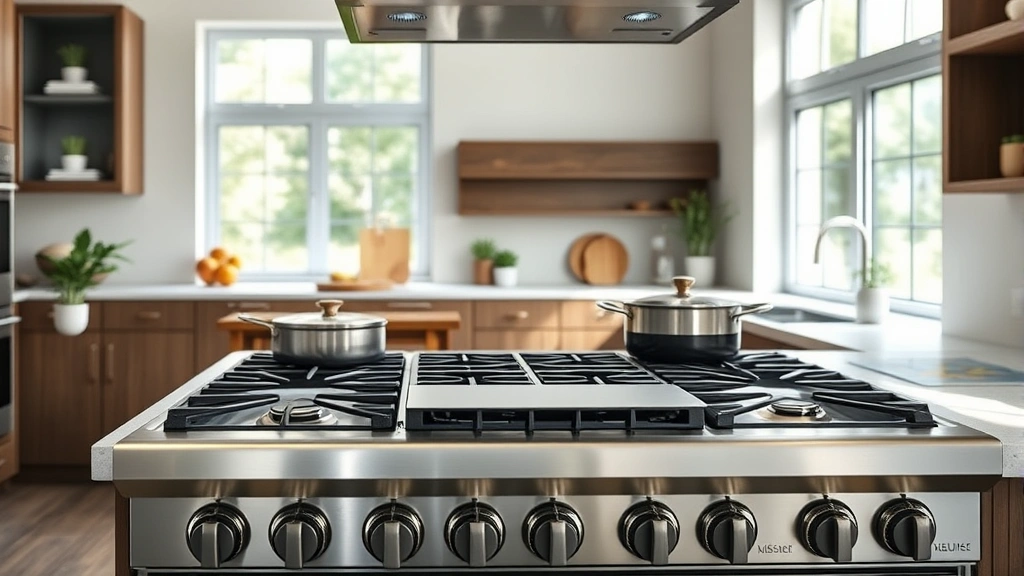
Is the Wolf 36 Gas Range Eco-Friendly? A Comprehensive Sustainability Review
The Wolf 36 gas range represents a premium kitchen appliance that has garnered significant attention from both culinary professionals and home cooking enthusiasts. However, as environmental consciousness grows among consumers, a critical question emerges: is this high-end cooking equipment genuinely eco-friendly? This review examines the Wolf 36 gas range through the lens of sustainability principles, analyzing its environmental impact across manufacturing, operation, and lifecycle considerations.
Understanding whether luxury kitchen appliances align with ecological responsibility requires examining multiple factors beyond surface-level claims. The Wolf 36 gas range presents a complex sustainability profile that demands thorough investigation. We’ll explore its energy efficiency ratings, emissions characteristics, material sourcing, manufacturing practices, and long-term environmental implications to provide you with an informed perspective on this appliance’s true ecological footprint.
Energy Efficiency and Performance Standards
The Wolf 36 gas range operates with multiple burners and a convection oven system that demands considerable energy input. When evaluating sustainable energy solutions, gas appliances present inherent challenges compared to their electric counterparts. The range features five sealed burners with power outputs ranging from 12,000 to 20,000 BTU, plus a 5.8-cubic-foot dual-fuel oven with convection capabilities.
Gas ranges, including the Wolf 36 model, typically consume between 10,000 and 15,000 BTU per hour during standard cooking operations. This consumption level positions gas ranges as moderate energy users compared to commercial kitchen equipment, yet substantially higher than many electric alternatives. The convection oven feature does provide some efficiency benefits by circulating heated air more effectively, potentially reducing cooking times and energy waste during baking operations.
One critical consideration involves the efficiency rating system for gas ranges. Unlike refrigerators or dishwashers, gas ranges don’t carry standardized Energy Star certifications, making direct efficiency comparisons challenging. The U.S. Department of Energy has not established mandatory efficiency standards for residential gas ranges, creating a regulatory gap that complicates sustainability assessments. This absence of standardized metrics means consumers must rely on manufacturer specifications and independent testing to evaluate performance characteristics.
Gas Emissions and Air Quality Impact
Natural gas combustion produces carbon dioxide and water vapor as primary byproducts, alongside smaller quantities of nitrogen oxides and methane when incomplete combustion occurs. The Wolf 36 gas range, like all gas cooking appliances, contributes to indoor and outdoor air quality concerns that directly relate to environmental sustainability. A single cooking session can increase indoor nitrogen dioxide levels by 50-400 parts per billion, depending on ventilation conditions and cooking duration.
The environmental impact extends beyond the cooking process itself. Natural gas extraction, processing, and distribution involve methane leakage throughout the supply chain. Methane possesses a global warming potential approximately 28-34 times greater than carbon dioxide over a 100-year period, according to EPA climate research. This upstream impact means that even efficient gas range operation contributes to climate change through methane emissions occurring during fuel production and transportation.
Indoor air quality represents another crucial environmental health consideration. Gas cooking appliances release particulate matter, volatile organic compounds, and combustion byproducts that can accumulate in kitchens lacking proper ventilation. Research from California energy authorities indicates that unvented or poorly ventilated gas ranges can significantly degrade indoor air quality, particularly in homes with limited air exchange. The Wolf 36 range doesn’t address these emissions through built-in filtration, making adequate kitchen ventilation essential for minimizing health and environmental impacts.

Material Composition and Sourcing
The Wolf 36 gas range construction incorporates stainless steel, cast iron, brass fittings, and various electronic components. Stainless steel production involves significant energy consumption and mining operations that generate environmental impacts. The extraction of iron ore, chromium, and nickel—key stainless steel components—creates habitat disruption and generates mining waste that requires careful management.
Wolf, owned by Sub-Zero Group, maintains manufacturing facilities primarily in the United States, which provides some supply chain transparency advantages compared to globally dispersed production. However, detailed information about material sourcing practices, supplier environmental standards, and recycled content percentages remains limited in public documentation. The company does not prominently feature sustainability certifications or third-party environmental audits of its manufacturing processes.
Cast iron burner grates and cooking surfaces represent durable components that can withstand decades of use without degradation. This durability supports the broader principle of sustainability principles emphasizing product longevity and reduced replacement frequency. However, the electronic ignition systems, control boards, and digital displays introduce components with shorter functional lifespans and complex recycling requirements.
Manufacturing and Production Practices
Sub-Zero Group’s manufacturing operations employ various environmental management practices, though comprehensive sustainability reporting remains incomplete. The company has implemented energy efficiency measures in production facilities and maintains waste reduction initiatives. However, specific data regarding carbon emissions from manufacturing, water consumption, hazardous waste management, and renewable energy utilization in production facilities is not extensively published.
The Wolf 36 range’s complex construction requires precision manufacturing involving metal fabrication, welding, assembly, quality testing, and packaging. Each manufacturing stage consumes energy and generates waste requiring proper disposal. The transportation of finished units from manufacturing facilities to distribution centers and ultimately to consumers adds additional carbon emissions to the product’s lifecycle footprint.
When examining environmental sustainability examples, premium appliance manufacturers increasingly face pressure to disclose manufacturing impacts. The Wolf 36 range’s premium pricing—typically between $3,500 and $6,000—does not correlate with transparent environmental accountability or third-party certifications validating sustainable production claims. This pricing structure reflects quality engineering and brand prestige rather than environmental performance metrics.
Durability and Lifecycle Assessment
A comprehensive sustainability evaluation must consider the entire product lifecycle, not merely operational phase emissions. The Wolf 36 gas range’s reputation for durability and longevity provides significant environmental advantages. Premium construction quality, availability of replacement parts, and robust engineering design enable these ranges to function effectively for 15-25 years or longer with proper maintenance.
Extended product lifespan directly reduces the environmental impact per year of use. A gas range lasting 20 years distributes its manufacturing emissions across two decades of cooking, whereas a lower-quality appliance requiring replacement every 10 years effectively doubles the manufacturing impact burden. This longevity factor partially offsets the environmental concerns associated with gas combustion and upstream methane emissions.
However, end-of-life disposal presents challenges. The Wolf 36 range’s mixed materials—stainless steel, cast iron, electronics, glass, and various metals—complicate recycling processes. Most of these components can theoretically be recovered and reprocessed, but actual recycling rates depend on local waste management infrastructure and consumer disposal practices. Many appliances ultimately end up in landfills where metals oxidize slowly and electronic components may leach harmful substances into soil and groundwater.
Comparing with Sustainable Alternatives
To properly contextualize the Wolf 36’s environmental position, comparison with alternative cooking technologies proves instructive. Induction cooktops represent the most environmentally favorable option, converting approximately 85-90% of electrical energy into heat, compared to 40-50% efficiency for gas ranges. Electric resistance cooktops achieve 70-75% efficiency. When powered by renewable electricity sources, induction cooking becomes substantially more sustainable than gas combustion.
Convection microwave ovens and combination cooking systems offer additional alternatives with reduced energy consumption compared to traditional gas ranges. However, these alternatives sacrifice some cooking versatility and performance characteristics that professional and serious home cooks value. The Wolf 36 range’s appeal lies partially in its cooking capabilities and reliability, which some sustainability-conscious consumers may prioritize alongside environmental considerations.
Hybrid approaches combining induction cooktops with small-footprint convection ovens can achieve improved energy efficiency while maintaining cooking flexibility. These alternatives typically cost $2,000-$4,000, approaching Wolf 36 pricing while offering substantially lower operational emissions. For consumers committed to reducing your environmental footprint, exploring these alternatives warrants serious consideration before committing to a gas range purchase.
Optimizing Eco-Friendly Usage
If you select or already own a Wolf 36 gas range, several strategies can minimize its environmental impact. Proper ventilation installation ensures that combustion byproducts vent outdoors rather than accumulating indoors, protecting both air quality and health. Installing a high-quality range hood with adequate capacity—typically 600+ CFM for gas ranges—facilitates effective pollutant removal.
Operational practices significantly influence environmental impact. Using appropriately-sized cookware that matches burner dimensions maximizes heat transfer efficiency and reduces wasted energy. Covering pots with lids accelerates cooking and reduces energy consumption. Utilizing the convection oven feature for batch cooking and baking distributes manufacturing and operational impacts across multiple meals, improving overall efficiency.
Regular maintenance preserves efficiency and extends lifespan. Cleaning burner ports prevents incomplete combustion that generates excess emissions. Ensuring proper oven seals and maintaining consistent temperatures reduces energy waste. These maintenance practices align with broader sustainability principles emphasizing resource conservation and waste reduction.
Considering the appliance’s long operational life, users should prioritize durability-enhancing practices over frequent replacement cycles. Investing in quality cookware, using appropriate cooking techniques, and performing regular maintenance extends the range’s lifespan, distributing its manufacturing environmental cost across more years of service.
FAQ
Is the Wolf 36 gas range more eco-friendly than electric alternatives?
No, the Wolf 36 gas range is generally less eco-friendly than electric alternatives, particularly induction cooktops. Gas combustion produces greenhouse gas emissions and indoor air pollutants that electric cooking systems avoid. However, the Wolf 36’s durability and potential for extended lifespan partially offset these disadvantages compared to lower-quality gas ranges.
What are the upstream environmental impacts of natural gas used in the Wolf 36?
Natural gas extraction, processing, and distribution involve methane leakage throughout the supply chain. Methane possesses significantly higher global warming potential than carbon dioxide, meaning that upstream emissions from gas production and transportation substantially contribute to the range’s total environmental impact beyond direct combustion emissions.
Does Wolf offer any sustainability certifications for the 36 gas range?
Wolf does not prominently feature third-party sustainability certifications or environmental performance standards for the 36 gas range. The appliance lacks Energy Star certification—which is not currently available for gas ranges—and does not carry other major environmental certifications validating eco-friendly manufacturing or operational practices.
How long does a Wolf 36 gas range typically last?
With proper maintenance, a Wolf 36 gas range typically functions effectively for 15-25 years or longer. This extended lifespan represents a significant environmental advantage, as it distributes manufacturing impacts across decades rather than requiring frequent replacement cycles.
What ventilation requirements does the Wolf 36 gas range have?
The Wolf 36 requires adequate ventilation to remove combustion byproducts and indoor air pollutants. Most manufacturers recommend a range hood with 600+ CFM capacity for gas ranges of this size. Proper ventilation is essential for both indoor air quality and environmental health considerations.
Can a Wolf 36 gas range be recycled at end of life?
The Wolf 36’s mixed materials—stainless steel, cast iron, electronics, and glass—can theoretically be recycled through appropriate waste management facilities. However, actual recycling rates depend on local infrastructure and consumer disposal practices. Many appliances ultimately end up in landfills rather than recycling streams.
What cooking efficiency advantages does the Wolf 36 offer?
The Wolf 36’s convection oven feature provides efficiency benefits by circulating heated air more effectively, potentially reducing cooking times for baking applications. Multiple burner options with varying power outputs enable users to match heat intensity to cooking requirements, optimizing energy use for different culinary tasks.
How does the Wolf 36 compare environmentally to mid-range gas ranges?
While the Wolf 36 costs significantly more than mid-range gas ranges, this premium pricing reflects quality and performance rather than environmental superiority. All gas ranges share fundamental environmental disadvantages related to combustion emissions and methane supply chain impacts. The Wolf 36’s environmental advantage lies primarily in its extended lifespan, which reduces replacement-related manufacturing impacts.


